

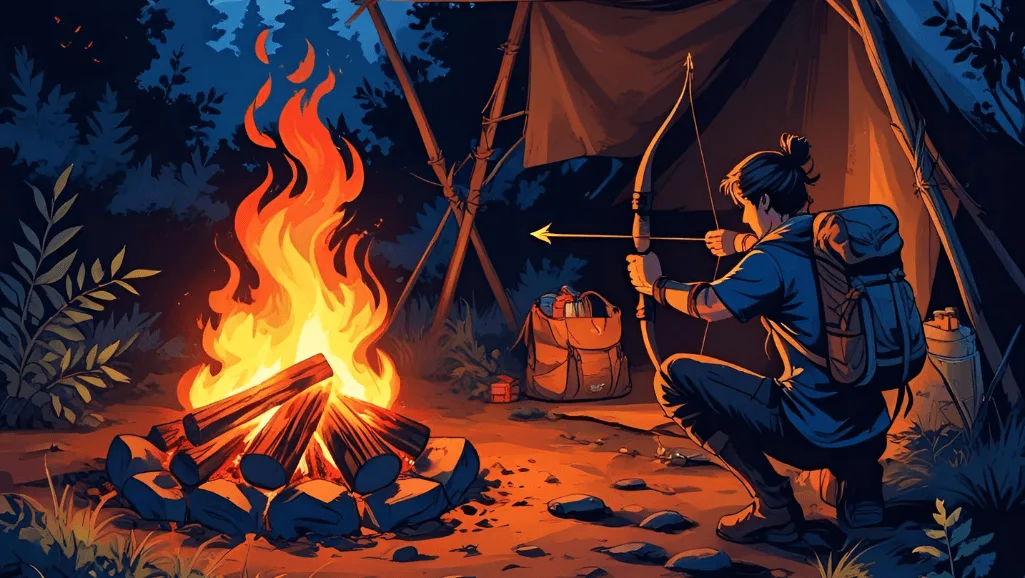
Get ready for an exciting journey into the world of survival games. These games put your skills to the test — you’ll gather resources, craft tools, and make life-or-death choices that shape each unique survival experience.
Picture being stranded in a vast wilderness with only your wits: that’s the core of a survival game. You must scavenge materials, build shelters, and outsmart the elements to stay alive. Each open world brings its own hazards, rewards, and status challenges that keep players coming back for more.
Survival games have evolved from single-player sandboxes into rich multiplayer experiences. You can go it alone or team up with others — from creative builders in Minecraft (2011) to Viking adventures in Valheim — there’s a survival title for every playstyle.
Key Takeaways:
- Immersive survival: These games blend resource management, crafting, and exploration to create deep gameplay loops.
- Diverse worlds: Environments range from frozen forests to alien planets, each demanding different strategies.
- Core loop: Gather resources, craft tools and weapons, build a base, and defend your life.
- Solo or social: Play alone to test resilience or join other players for cooperative and competitive play.
- Wide appeal: The genre includes classic sandboxes, hardcore sims, and innovative indie hits.
Ready to test your survival skills? Start with a beginner-friendly sandbox or dive into a hardcore title — either way, every challenge helps you grow as a player. Check the “Top Survival Games” section below to find your next adventure and a quick starter checklist to help you stay alive.
What Are Survival Games?
Survival games are a genre that challenges players to stay alive in hostile environments by managing scarce resources, crafting tools, and adapting to changing conditions. At their core, these games mix exploration, resource management, and player-driven decisions to create a tense, rewarding survival experience.
Definition and Origins
The origins of survival games trace back to early experimental titles like UnReal World (1992) and Wurm Online (2003), which emphasized open-world survival and crafting. The modern surge in popularity began after Minecraft’s mainstream breakout (alpha 2009, full release 2011), whose open-world sandbox and crafting systems exposed millions of players to survival mechanics.
The Evolution of Survival Games
Over time the survival genre diversified. Single-player sandboxes focused on exploration and crafting, while online titles added social dynamics, persistent bases, and PvP. Games such as DayZ (early 2010s) and Rust popularized multiplayer survival, where player interaction — from alliances to raids — became a core element.
“Survival games offer a unique blend of immersion, challenge, and player agency, allowing gamers to carve their own path in unforgiving virtual worlds.”
Types of Survival Games
Survival games now span several subgenres; here are the main types and examples:
- Sandbox survival: Open-world crafting and base-building (example: Minecraft).
- Hardcore simulation: Realistic hunger, thirst, and status systems that demand careful resource planning (example: The Long Dark).
- Multiplayer survival: Persistent worlds with player-driven economies and PvP (examples: Rust, DayZ).
- Survival horror: Atmosphere and threats focus on fear and limited resources (example: The Forest).
- Sci‑fi/unique premises: Survival set in nontraditional settings like alien planets or plane-crash scenarios (examples: Subnautica, Icarus).
Whether you prefer methodical resource-gathering or frantic PvP encounters, the survival game genre offers varied experiences that keep evolving with new mechanics and creative settings.
The Appeal of Survival Games
Survival games continue to grow in popularity because they deliver a tense, rewarding survival experience that keeps players engaged. With immersive gameplay, dynamic environments, and meaningful progression, these games give you clear short-term goals (stay alive) and long-term satisfaction (mastering systems and building a secure base).
Immersion in Gameplay
Players love the immersion that survival games offer. Open-world settings, realistic resource systems, and emergent threats create moments of real tension and triumph. Managing hunger, crafting tools, and upgrading status systems gives every session a strong sense of purpose and progression.
“Survival games offer a thrilling and immersive experience that challenges players to think creatively and adapt to harsh environments.”
Community and Collaboration
Community features are a major draw for multiplayer survival titles. Games like ARK: Survival Evolved and Rust let players form clans, trade resources, build shared bases, and organize raids—social systems that turn solo survival into large-scale cooperation and competition. Those social bonds and shared goals keep players returning for more.
Personal Growth and Resilience
Beyond entertainment, survival games can improve problem-solving and resilience. Facing unexpected threats, learning from failures, and adapting strategies under pressure translate into a satisfying learning loop. Many players report increased patience, creativity, and tactical thinking after spending time in survival worlds.
Whether you prefer a solo sandbox or a multiplayer battlefield, survival games combine gameplay depth and social interaction to create experiences that are both challenging and deeply rewarding. Try a cooperative session with friends to see how team play changes the game.
Key Elements of Survival Games
Survival games center on a few core systems that combine to create tension, reward, and long-term goals. Mastering these survival elements — resources, crafting, base-building, and combat — is the pathway to success in most titles.
Resource Management
Resource management is the backbone of the genre. Players must gather resources like wood, stone, and food, monitor status meters (hunger, thirst, health), and prioritize what to keep or craft first. Failure to manage food and water quickly leads to danger, especially at night or in harsh environments.
- Why it matters: Controls pacing and forces meaningful choices.
- Example: ARK and Conan Exiles require constant gathering to fuel crafting and base upgrades.
- Quick tip: Prioritize renewable resources and build small stockpiles near your first base.
Crafting and Building
Crafting systems turn raw materials into tools, weapons, and shelter. Whether a simple recipe tree or a deep crafting system, the ability to make better equipment upgrades your survival odds.
- Why it matters: Crafting unlocks progression — tools speed resource collection, weapons improve combat survival, and structures protect against creatures and players.
- Example: In many sandboxes, players progress from basic tools to advanced gear through layered crafting recipes.
- Quick tip: Learn essential day-one recipes (axe, hatchet, campfire) to stabilize your early game.
Combat and Survival Strategies
Combat in survival games ranges from stealth and melee to ranged encounters. You’ll face wildlife, monsters, and often other players — so weapons and armor are essential. Good survival strategy blends exploration, scouting, and engagement rules to avoid needless risk.
- Why it matters: Combat drives risk-reward decisions and encourages base defense and cooperative play.
- Example: Games like 7 Days to Die and The Forest mix environmental threats and creatures with player-crafted defenses.
- Quick tip: Scout by day, fortify by night; small defensive upgrades (spikes, walls) drastically reduce raids.
Across these systems, best practice is to gather resources efficiently, prioritize crafting essential tools and weapons, and build a compact, defensible base. Managing your status meters (health, hunger, thirst) while expanding your base and gear keeps the core survival loop engaging — and keeps you alive longer in every survival sandbox or survival mode experience.
Top Survival Games to Explore
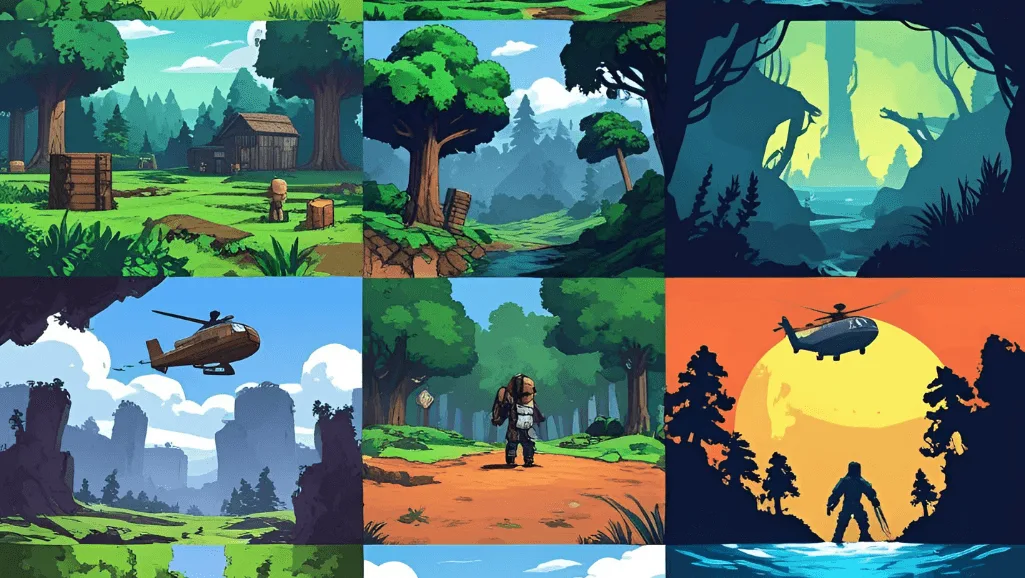
The survival genre offers a huge range of experiences — from massive open worlds to tight, focused survival sandboxes. Below are curated recommendations grouped to help you pick the best survival games for your playstyle: classics, recent hits, indie gems, plus quick suggestions for beginners and hardcore players.
Classic Titles in the Genre
These are foundational survival games that shaped the genre:
- Minecraft — Sandbox survival that popularized crafting and base-building; great for creative players and newcomers (Beginner / Multiplayer / Worlds).
- Rust — Harsh multiplayer survival focused on base defense, raiding, and player interaction (Multiplayer / PvP / Base).
- DayZ — Persistent post‑apocalyptic world where player encounters drive the drama (Multiplayer / Survival realism).
- Terraria — 2D exploration and crafting with combat and bosses; excellent for players who love discovery (Sandbox / Crafting).
New Releases Worth Playing
Recent and breakout titles that feel fresh:
- Valheim — Viking-themed open world with cooperative exploration, base-building, and combat; praised for its atmosphere and progression (Co‑op / Early Access roots).
- Grounded — A uniquely scaled survival sandbox where you’re the size of an insect; strong crafting and base mechanics (Co-op / Creative premise).
- Icarus — Session-based PvE survival on an alien world with risk-versus-reward expeditions (Session PvE / Sci‑fi).
“Valheim is a game that truly captures the essence of survival. From the moment you step foot in its breathtaking world, you’re immersed in a constant struggle for survival that’s as rewarding as it is challenging.” – PC Gamer
Indie Gems You Shouldn’t Miss
Indie developers often push the genre in new directions — these titles are standout examples:
- Subnautica — Underwater exploration and storytelling with a strong survival and crafting loop (Sci‑fi / Exploration).
- The Long Dark — Slow-burn, realistic survival that emphasizes hunger, warmth, and status management in a frozen wilderness (Hardcore / Single-player).
- The Forest — Survival horror that mixes base-building with terrifying creatures and emergent threats (Horror / Crafting).
- Raft — Simple premise, deep progression: survive on a raft, gather resources, and expand your floating base (Co-op / Resource gathering).
Best for Beginners vs. Hardcore Players
- Best for beginners: Minecraft, Terraria — forgiving learning curves and creative playstyles.
- Best for hardcore players: Rust, DayZ, The Long Dark — higher stakes, realistic status systems, and steep learning curves.
Looking for the best survival games right now? Pick based on your preferred pace: sandbox crafting and creativity, multiplayer competition, or focused single-player realism. Check platform availability and early access status before buying, and use the “How to Get Started” section for a quick starter checklist to help you dive in.
Strategies for Success in Survival Games
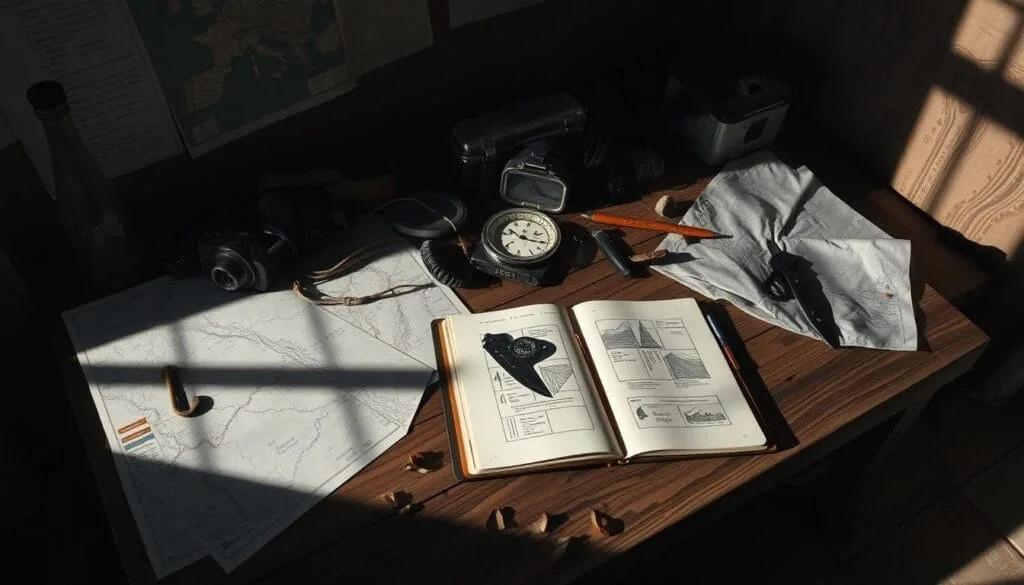
Winning in survival games is less about luck and more about planning, priorities, and adaptability. A clear early-game checklist, smart exploration, and effective teamwork will dramatically increase your chance to stay alive and thrive.
First 24 Hours — Priority Checklist
- Secure food & water: gather edible plants, hunt small game, or craft a water purifier. Status meters (hunger/thirst) drop fast in many games, so stabilize them first.
- Craft essential tools: make an axe, pick, and basic weapon — these speed up gathering resources and defend against creatures or players.
- Build a temporary base: a simple shelter or campfire protects from weather and night predators; keep it small and easy to relocate.
- Scout nearby resources: map out wood, stone, and food sources; mark landmarks for future base expansion.
These priorities apply across most survival sandboxes and survival modes — from cozy single-player titles to harsh multiplayer worlds.
Exploration and Resource Management
Exploring reveals high-value resource nodes, hidden loot, and safer building sites. Gather resources efficiently: prioritize renewable materials, consolidate inventory, and always return to base before nightfall if possible.
Building Strong Alliances
In multiplayer survival games, alliances raise your survival odds. Shared bases and role specialization (scavenger, builder, fighter) increase efficiency. Good communication—clear rules for resource sharing and raid defense—prevents conflict and keeps the group focused.
Teamwork is the key to thriving in hostile environments. Together, you can overcome obstacles that would be insurmountable alone.
Mastering Combat and Crafting
Combat skill matters: practice timing, learn enemy patterns, and upgrade weapons and armor as soon as you can. Crafting improves your toolkit — from better weapons to defensive traps — and is often the fastest path from vulnerable to self-sufficient.
Quick role tips: a scavenger should focus on gather resources and exploration; a builder should secure and upgrade the base; a fighter should craft weapons and armor and lead raids or defenses.
Adaptability is the single best strategy in survival games: refine your early-game routine, scale your base sensibly, and cooperate with other players when it makes sense. For deeper guides, check the “Top Survival Games” section and the game-specific starters linked there.
The Psychological Benefits of Survival Gaming
Playing survival games can be more than entertainment — many players report reduced stress, increased focus, and improved problem-solving after sessions in tense virtual worlds. Controlled challenge, clear goals (stay alive), and incremental progress promote flow states that feel satisfying and mentally engaging.
Stress Relief and Mental Engagement
Survival games immerse you in tasks like gathering resources, crafting tools, and fortifying a base. That hands-on engagement helps distract from daily worries and gives small, achievable goals that boost mood and a sense of accomplishment. Balance is important: set reasonable session limits to keep play healthy.
“Survival games have become my go-to for unwinding after a long day. The sense of immersion and the need to focus on the tasks at hand help me forget about my worries and recharge my mental batteries.”
Enhancing Problem-Solving Skills
These games constantly present problems — scarce food, hostile creatures, or night raids — that require planning, creative thinking, and resource prioritization. Regularly playing survival titles trains players to assess situations quickly, test hypotheses, and adapt strategies — all useful cognitive skills off-screen.
Players also practice managing status meters (hunger, health, stamina) and inventory constraints, which reinforces prioritization and decision-making under pressure. These small, repeatable challenges help build resilience and strategic thinking over time.
Evidence from gaming research suggests that structured, goal-oriented play can support emotional benefits for many adults; however, individual effects vary. If you want to experience these benefits, pick a game that matches your preferred pace — single-player simulations for calm focus or multiplayer survival for social engagement — and monitor your playtime and status (rest, sleep, breaks) for balanced mental health.
The Future of Survival Games
The survival genre is evolving fast. Advances in tech, changing player expectations, and a steady stream of indie and AAA releases mean more varied, immersive survival games — from sprawling open worlds to session-based sci‑fi expeditions.
Trends to Watch in Game Development
Multiplayer and social systems will remain a major focus: upcoming and in-development titles emphasize co‑op progression, persistent bases, and PvP encounters so players can build communities and compete. Games such as State of Decay 3 and Ark 2: Survival Ascended illustrate this push toward larger shared worlds and richer player interaction.
Genre blending is another key trend. Developers are combining survival with action, RPG systems, and narrative design — examples include atmospheric hybrids like S.T.A.L.K.E.R. 2 and genre-bending entries such as Pacific Drive. These mixes keep the survival formula fresh and attract players from other genres.
“Survival games are increasingly accessible to indie teams and small studios, which has driven a surge in new titles and creative experimentation.”
Because many survival games launch in early access, we’re seeing rapid iteration and community-driven development on platforms like Steam. Some commentators even compare modern survival projects to light MMOs — shared progression, social systems, and ongoing updates make these titles feel like living worlds.
Innovations in Gameplay Mechanics
Look for concrete technical and design improvements that will shape future survival experiences:
- Advanced physics: more believable interactions (example: realistic construction and destruction mechanics).
- Dynamic weather and environments: systems that change gameplay — storms, seasons, and night cycles that affect AI behavior and resource availability.
- Richer crafting systems: deeper recipe trees and modular building to support creative bases and complex tools.
- Improved AI: smarter creatures and NPCs that respond to player tactics and the world state.
Monetization and live-service models will also influence design — from seasonal content to battle-royale crossovers and social hubs — so expect a mix of single-player experiences and ongoing, update-driven worlds. With titles like Sons of the Forest, Frostpunk 2, and The Alters on many radar lists, the future of survival games promises both technical polish and bold design experiments across open world and session-based formats.
How to Get Started with Survival Gaming
Starting survival gaming is an exciting challenge for new and experienced players alike. With the right game, a simple starter plan, and community support, you’ll be surviving and building in no time.
Choosing the Right Game for You
Pick a title that matches your preferred pace and goals:
- Solo builder / creative: Minecraft, Terraria — forgiving sandbox play and deep crafting systems (great for learning).
- Co-op explorers: Valheim, Subnautica — cooperative worlds with base-building and exploration.
- Hardcore / PvP: Rust, DayZ — steep learning curves, player interaction, and high stakes.
- Unique premises: Grounded (shrunken-world survival), Icarus (session-based sci‑fi) — try these if you want a fresh twist.
Starter Loadout — What to Aim for on Day One
- Food & water: secure immediate food sources and a water source or purifier.
- Basic tools: craft an axe/hatchet, pick, and a simple weapon to gather resources and defend yourself.
- Temporary base: set up a small shelter and a fire or light source to survive the first night.
- Map your area: note landmarks, resource nodes, and safe paths for quick returns.
Essential Gear and Connection
To play smoothly, aim for a capable device: a mid-range PC or current console, a reliable controller or mouse and keyboard, and a stable internet connection for multiplayer sessions. You don’t need top-tier hardware for most entry-level survival games, but stable FPS and connection help in PvP and co‑op.
Joining Online Communities
Communities are invaluable: join official forums, Steam groups, or Discord servers for tips, trade, and recruits. Look for beginner-friendly servers or groups that run newbie nights; they’re perfect for learning mechanics like crafting, NPC behavior, and base defense.
Survival games offer a unique challenge within the gaming world, appealing to players who enjoy managing hunger, thirst, and survival needs alongside fighting enemies.
Start small, follow the starter checklist, and lean on community guides while you learn. Want a quick checklist you can copy into chat? Check the “Top Survival Games” section for game-specific starter guides and recommended beginner servers to join.
Conclusion: Embrace the Challenge of Survival Games
Survival games combine limited resources, tough choices, and emergent gameplay to deliver memorable, rewarding experiences. Whether you prefer a cozy sandbox or a brutal PvP world, these games push you to adapt, learn, and celebrate small victories — and that’s what keeps players coming back.
Reflecting on Your Experiences
As you play, take a moment to reflect on progress: managing scarce resources, surviving harsh nights, and improving your crafting and base defenses are all concrete signs of growth. Titles like Project Zomboid and Green Hell are great examples of games that demand adaptation and reward thoughtful play — look back on tougher moments as milestones in your learning curve.
Lifelong Learning Through Gaming
Survival games teach transferable skills: resource prioritization, strategic planning, and creative problem-solving. Each new world and system — from night cycles to status meters — offers fresh lessons that sharpen your decision-making. As the genre expands (with new titles and early access experiments), you’ll keep discovering systems that challenge and improve your play.
Ready to level up? Check the “Top Survival Games” and “How to Get Started” sections above for game-specific starter guides, beginner-friendly picks, and quick checklists to help you dive in. Join a friendly server or community, follow a short starter plan, and you’ll be surviving — and enjoying — the journey in no time.