


Tower Defense Games: master the art of defense with this practical guide to tower defense games. Whether you’re a seasoned commander or a new player placing your first tower, you’ll find clear, actionable advice on level design, resource systems, enemy behavior, and player retention to help your game stand out.
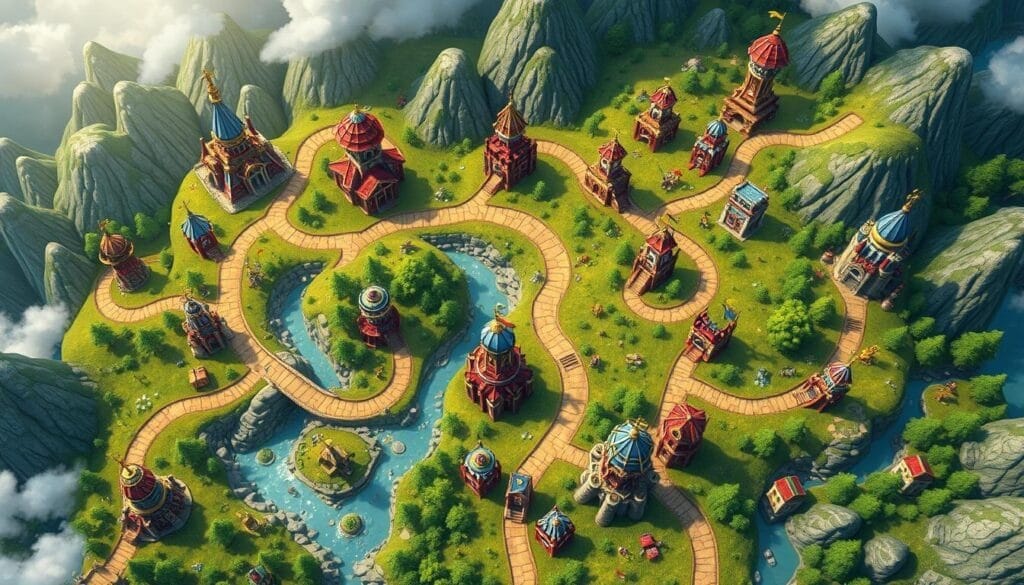
Create levels that feel like puzzles — maze-like layouts force decisions about tower placement and timing, increasing tactical depth. Offer a variety of tower types (damage, crowd-control, support) with distinct upgrade paths so players can experiment with combos and evolve their strategy as waves grow tougher.
Resource management is the backbone of good defense games: give players meaningful choices about when to build, upgrade, or repair. A simple economy loop (earn from defeating enemies → spend on towers/upgrades → survive the next wave) keeps the gameplay engaging and rewards smart play over time.
The core of a memorable tower defense game is its gameplay loop: challenging but fair levels, predictable mechanics that allow skill expression, and enemy AI that introduces variety — for example, creeps that split, resist specific damage types, or change pathing when certain towers are placed. These elements combine strategy and action to keep players returning for one more run.
Read on to learn concrete examples and design checklists for each element — from maze-building and tower roles to economy tuning and adaptive enemy behavior — so you can ship a defense game players will love.
Key Takeaways
- Design intricate, maze-like levels that reward strategic thinking
- Include diverse tower types with unique abilities and upgrade paths
- Implement clear resource-management mechanics to balance building, upgrading, and repairs
- Introduce dynamic enemy behaviors to keep encounters fresh
- Blend strategic mechanics with satisfying action to maximize player engagement
Understanding the Tower Defense Genre
Tower defense is a popular strategy genre where players place defensive towers along enemy paths to protect a base or objective. Success depends on smart tower placement, resource management, and adapting to increasingly difficult waves of enemies.
A Look Back at the History of Tower Defense
The tower defense concept dates back decades — early influences include arcade and strategy titles such as Atari’s Rampart (1990) and wave-based shooters like Space Invaders. The format gained wider recognition when fans built custom maps for RTS games such as StarCraft and Warcraft III, and the genre exploded in visibility with Flash hits and early mobile ports.
Notable milestones include browser and Flash classics like Desktop Tower Defense (mid-2000s) and the surge of mobile-friendly titles after the iPhone popularized touch gaming. Casual hits such as Plants vs. Zombies and mobile staples like Fieldrunners helped bring tower defense games to mainstream mobile audiences.
Defining Features of Tower Defense Games
Tower defense games share a set of core mechanics that define the genre. Key features include:
- Strategic placement: Position towers along enemy paths to maximize damage and control (example: chokepoints and maze-like layouts).
- Resource management: Earn currency by defeating enemies and spend it on towers, upgrades, or repairs (see the sun economy in Plants vs. Zombies as a simple example).
- Waves of enemies: Levels present escalating waves with varied behaviors and resistances that force players to adapt.
- Upgrades and progression: Towers gain new abilities and stats over time, enabling diverse player strategies and specializations.
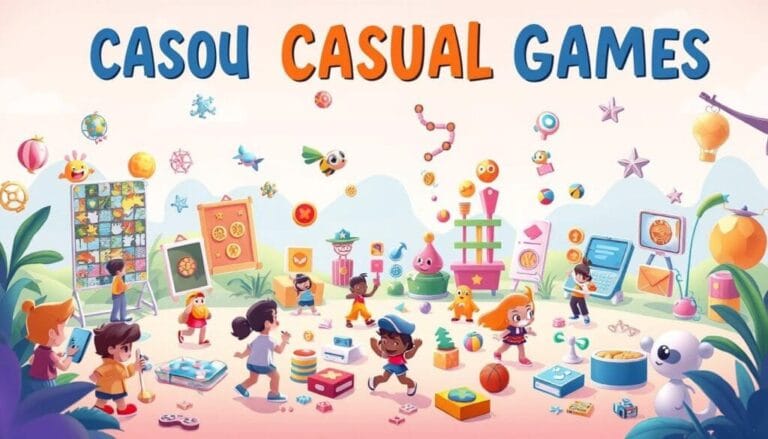
The tower defense genre has solidified itself as a staple in modern video gaming, alongside other casual gaming styles like Tetris and Sudoku.
Today the genre continues to evolve — some defense games blend shooter mechanics or competitive multiplayer, as seen in hybrid titles like Tower Wars and Anomaly 2. These innovations keep the core tower defense loop fresh while attracting new players to the strategy-based gameplay.
Choosing the Right Theme and Setting
Picking the right theme and setting is one of the fastest ways to make your tower stand out. The theme guides art direction, informs tower and enemy designs, and signals to players what kind of tactics they’ll use — so choose a setting that matches the audience you want to attract.
The Allure of Fantasy and Sci-Fi
Fantasy themes invite whimsical towers, elemental effects, and creatures that enable mechanics like area‑slowing swamps or magic-based status effects (e.g., a frost tower that reduces enemy speed). These mechanics pair naturally with fantasy art styles and make experimenting with tower synergies fun for players who enjoy planning long-term builds.
Sci‑fi settings, by contrast, support high-tech towers, modular upgrades, and mechanics like energy shields, drones, or teleporters. Sci‑fi systems often enable damage types (laser vs. explosive) and resistances, so you can design enemies that require tactical mixing of tower roles.
“The key to a successful tower defense game is finding a theme that resonates with your target audience while providing a unique and engaging experience.”
The Impact of Urban and Natural Landscapes
Landscape choice changes level design priorities. Urban maps favor choke points and cover: think tight streets, destructible objects, and landmark defense objectives that reward positional play. Natural maps — forests, swamps, mountain passes — allow for environmental hazards and terrain modifiers (e.g., rivers that slow enemies or cliffs that change line of sight), which add variety to maps and force different tower placement strategies.
Quick examples to guide design decisions:
- Fantasy: swamp slows enemies → prioritize area-control towers and damage-over-time effects.
- Sci‑fi: magnetic fields reduce projectile speed → introduce support towers that restore or buff allies.
- Urban: narrow streets → reward chokepoint defenses and splash damage towers.
- Natural: elevation/cover → encourage long-range towers and line-of-sight mechanics.
Top mobile games demonstrate how theme and setting shape both visual style and gameplay. Before you commit, define your target player and list the core mechanics you want the theme to support — then design maps and tower roles around those goals to create a cohesive, engaging experience.
Designing Engaging Gameplay Mechanics
Great tower defense games hook players with tight mechanics and meaningful choices. Focus on clear tower roles, an intuitive upgrade path, and enemy variety so each encounter requires adjustments in tactics and timing.
Strategic tower placement is the single biggest lever for skill expression: place DPS towers where they get maximum uptime, crowd-control towers near chokepoints, and support towers that buff or debuff in effective ranges. Provide visible range indicators and simple heatmap feedback so players learn placement quickly.
Tower Placement and Upgrade Systems
Good placement systems create trade-offs: do you build many cheap towers now or save for a late-game upgrade? Offer three tower archetypes (DPS, crowd-control, utility/support) and 2–3 upgrade tiers each. Example pricing heuristic: Tier 1 = base cost, Tier 2 ≈ 2.5× base, Tier 3 ≈ 4–5× base; upgrades should feel meaningful without halting early progress.
Design upgrade paths that enable choices (branching upgrades or linear enhancement). For instance, a basic arrow tower can upgrade to rapid-fire (single-target DPS) or poison (damage-over-time + slow) to encourage different player strategies.
Enemy AI: Creating Challenging Opponents
Varied enemies keep gameplay engaging. Mix simple swarms with armored units, fast runners, shielded foes, and special enemies that alter pathing or spawn minions. Introduce enemies with resistances to certain damage types to force tower diversification.
Consider small behavioral rules to add depth: split-on-death units, temporary invulnerability phases, path-finding that avoids frequently targeted tiles, or priority targeting of support towers. These behaviors reward players who adapt their defense mechanics and tower placement over time.
Reward Systems: Encouraging Player Progress
Reward systems should reinforce progression and experimentation. Use layered rewards: immediate (per-wave currency), mid-term (unlockable towers or abilities), and long-term (prestige or unlock trees). Achievements and daily challenges drive retention; meaningful unlocks (new tower types or upgrade branches) provide long-term goals.
Balance economy so players feel both tension and opportunity: a steady income curve with occasional bonus drops (for perfect waves or objectives) keeps risk/reward decisions interesting. Track time-to-win metrics during playtests to tune how quickly upgrades scale.
Mechanics checklist for developers: clear tower roles, visible feedback (ranges/heatmaps), branching upgrade choices, enemy variety with behavioral twists, and an economy curve that rewards skillful play without punishing new players.
Crafting a Compelling Storyline
Story is optional but powerful — a well-chosen narrative can boost retention and give players a reason to keep progressing through your maps. If you have limited development time, a light-touch story can deliver big immersion for little cost.
Character Development in Tower Defense Games
Strong character hooks add personality. Introduce a few memorable characters — a rival general, a grizzled engineer, or a mysterious guide — who provide short dialogue, mission goals, or upgrade perks. These characters can act as tutorial voices, quest-givers, or flavor text to make towers and enemies feel meaningful.
Voiceovers increase impact but aren’t required at scale. For small teams, consider recorded lines from team members or low-cost contractors, or use text-to-speech for prototype builds to iterate on timing and tone before investing in professional audio.
Integrating Narrative into Gameplay
Blend story with play without interrupting the tower defense loop. Low-cost narrative techniques that work well include:
- Short comic-strip style cutscenes between levels to advance plot beats.
- A map interface that reveals story beats as areas unlock, giving players a sense of progression.
- In-level flavor text or speech bubbles that appear when key events happen (boss arrival, objective complete).
- Procedural flavor lines tied to mechanics (e.g., “The swamp is thick — your frost towers are doing more work!”) to reinforce systems without heavy assets.
Weigh the trade-offs: full cinematic sequences require art and time, while pop-up narration and map-based story progression are high-impact, low-cost options that scale with development resources.
“A well-crafted storyline can transform a good tower defense game into an unforgettable experience.”
Visual Aesthetics: Art and Graphics
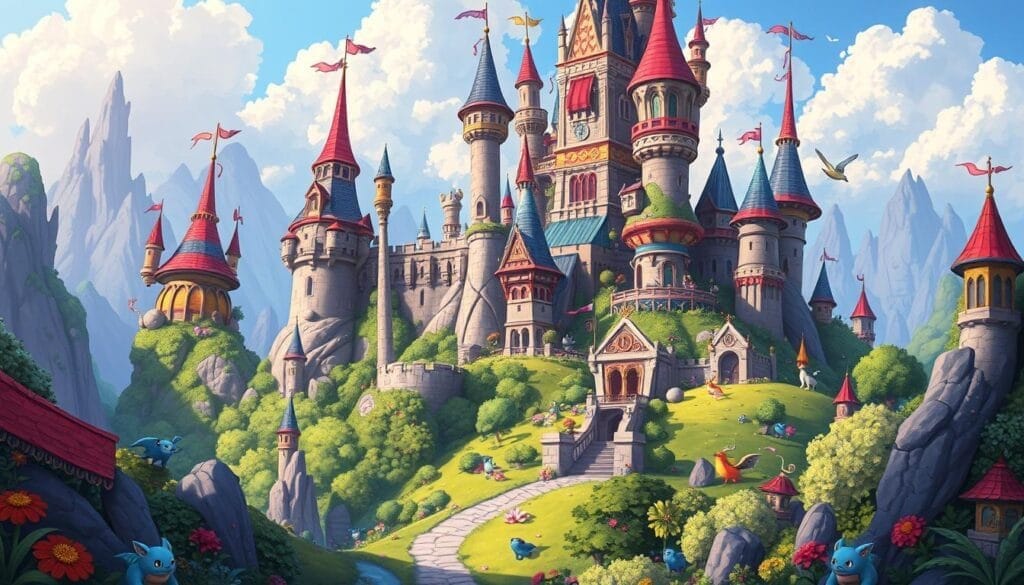
Visuals are one of the fastest ways to hook players in tower defense games. A clear, consistent art style signals tone and helps players immediately understand mechanics and tower roles. Whether you choose bright, cartoony visuals or a gritty, realistic look, make sure artwork, UI, and effects all communicate the same intentions.
Use strong visual storytelling examples (even from other genres) to inspire your direction — for instance, games like Gris demonstrate how color and composition convey emotion, while Hyper Light Drifter shows how distinct palettes and readable silhouettes can support gameplay clarity. Apply those lessons to towers and enemies so each unit reads clearly in a busy scene.
Importance of Art Style in Player Engagement
Art style shapes first impressions and long-term engagement. Clear silhouettes, readable animations, and consistent color coding (damage types, status effects, team colors) make tactical decisions easier for players. For indie teams, a unique but cohesive style often outperforms photorealism because it reduces asset cost and strengthens recognition.
“The art style of a game is like the cover of a book – it’s the first thing that catches your eye and draws you in. It sets the tone for the entire experience and can make or break a player’s engagement with the game.”
Tools and Software for Game Design
Choose tools that match your team’s skills and target platforms: Unity and Unreal Engine remain top choices for cross-platform development, while Godot is a strong lightweight option for 2D-first projects. For art pipelines, use accessible tools like Aseprite or Photoshop for 2D, Blender for 3D, and Spine or DragonBones for performant skeletal animation.
Mobile considerations: simplify UI and increase contrast for small screens, use large touch targets for tower placement and upgrades, and prioritize readable fonts and icons. Example palettes: a high-contrast palette (deep backgrounds with bright tower colors) improves visibility, while a muted palette with bright effect accents can emphasize special abilities without clutter.
Incorporating Sound Design for Immersion
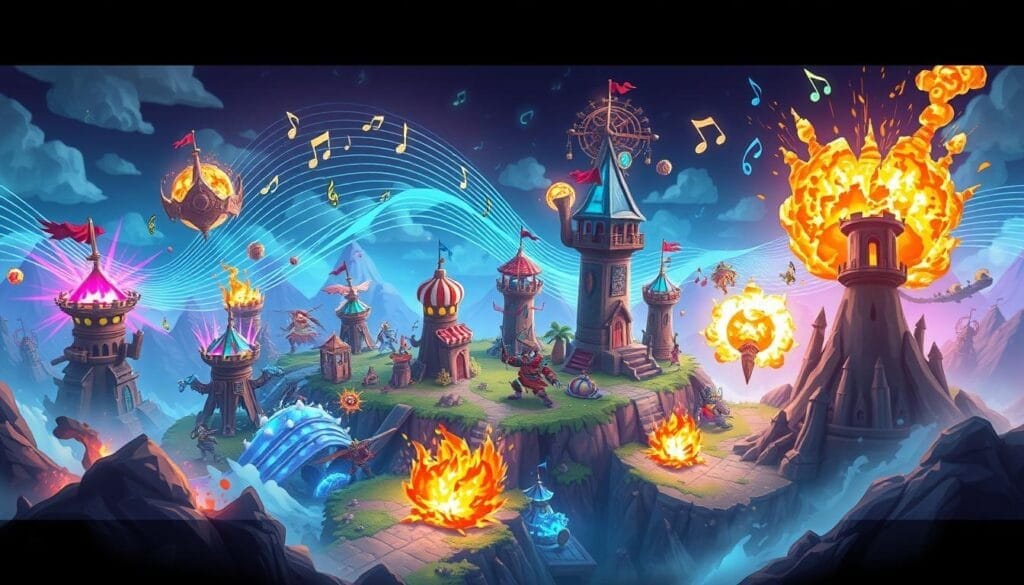
Sound design is a powerful tool for making your tower defense game feel alive. Well-crafted sound effects, music, and ambient layers provide instant feedback, communicate threats, and heighten emotional pacing so players react faster and stay engaged longer.
Modern audio tools make implementing rich audio easier for indie teams — but prioritize clarity over spectacle. Full surround setups or complex spatial audio are great when feasible, but in most 2D defense games clear SFX and adaptive music deliver more perceptible value for the development time invested.
The Role of Sound Effects in Gameplay
Sound effects are essential for player feedback. Use distinct cues for enemy spawns, successful hits, critical tower abilities, and objective states so players can understand what’s happening even when the screen is busy. Keep action sounds short (≤300ms) and mix them so important cues cut through without becoming annoying.
- Prioritize SFX for core gameplay (enemy hits, tower fire, ability activation).
- Make UI sounds informative but subtle (confirmations, errors, purchase feedback).
- Balance volumes and use audio layers so music never masks critical SFX.
Music and Atmosphere: Setting the Tone
Background music and atmospheric sounds set pacing and mood. Implement adaptive tracks that intensify as waves escalate (calm → tense → triumphant) to reinforce player emotion during action sequences. Use environmental ambience (wind, distant battle sounds, wildlife) sparingly to add depth without cluttering the mix.
Choose music that complements the game’s theme and pacing, with tracks that evolve as the game progresses.
Recommended middleware for developers: FMOD and Wwise provide adaptive music systems and mixing tools that integrate with Unity and Unreal; simpler projects can use built-in audio systems with clever event-driven music changes. Focus on an audio priority list (SFX > UI > music) and iterate in playtests to ensure sound supports gameplay — this helps your game stand out and keeps players immersed for more time.
Engaging the Community: Player Feedback
Player feedback is essential to creating and sustaining a successful tower defense game. Talk to your community across forums, social channels, Discord, and in‑game chat to learn what players love, what frustrates them, and which features deserve priority — then close the loop by responding to feedback and showing progress.
Community engagement supports both retention and discovery: early testers become advocates, and active communities help surface bugs, balance issues, and design ideas. For example, indie titles that used Steam demos or Discord betas often refine core mechanics faster thanks to direct player input.
Practical checklist for gathering feedback:
- Where: Discord, subreddit/forums, social media, in‑game feedback tools, and closed betas.
- What to ask: usability (controls/UI), difficulty spikes, favorite towers, frustrating enemies, and monetization fairness.
- How to prioritize: fix game-breaking bugs first, then balance pain points, then quality-of-life and feature requests that align with your roadmap.
Core Defense (an example of a community-driven title) drew attention during early access phases; community input has influenced ongoing updates and balancing. When you quote player counts or engagement stats, date the figures and cite the source to keep your reporting accurate and useful.
Introduction to Tower Defense Games
What is a Tower Defense Game?
A tower defense (TD) game is a strategy subgenre where the core objective is to defend territories from waves of enemies. Players place defensive towers along enemy paths to obstruct, damage, and defeat incoming foes while managing resources and upgrades. The gameplay loop — earn currency by defeating enemies, spend on towers/upgrades, survive the next wave — rewards planning, quick decisions, and adaptation.
Core Gameplay Mechanics
Core gameplay in tower defense games centers on a simple, repeatable loop: earn currency by defeating enemies, spend that currency on towers or upgrades, and survive escalating waves. Strategic tower placement along enemy paths turns each map into a tactical puzzle where timing, range, and role composition matter.
| ActionResult | |
| Defeating enemies | Earning in-game currency |
| Using in-game currency | Repairing and upgrading towers |
Maps typically feature multiple paths or choke points and unlock new layouts as players progress. “Mazing” is a deliberate design technique: by creating long, winding routes (a maze) you increase the time enemies spend under fire, rewarding well-placed area-control and splash-damage towers. For clarity in level design, sketch a simple diagram showing spawn → maze path → choke → goal to test whether enemies traverse enough range for towers to be effective.
Suggested early-level designs to teach mechanics:
- Starter map: single wide path with a visible chokepoint to teach placement and splash-damage value.
- Intermediate map: two branching paths with an elevation or slow tile to introduce map control and tower role decisions.
Enduring Popularity of Defense Games
Tower defense remains popular because it balances strategic planning with short, satisfying action loops. Players who enjoy puzzles and tactical decision-making find endless replayability in experimenting with tower mixes, upgrade orders, and map tactics. Solo play dominates the genre, but many titles add co-op or competitive modes that let players coordinate or compete while keeping the same core defense mechanics.
The Evolution of Tower Defense Games
From Early Classics to Modern Titles
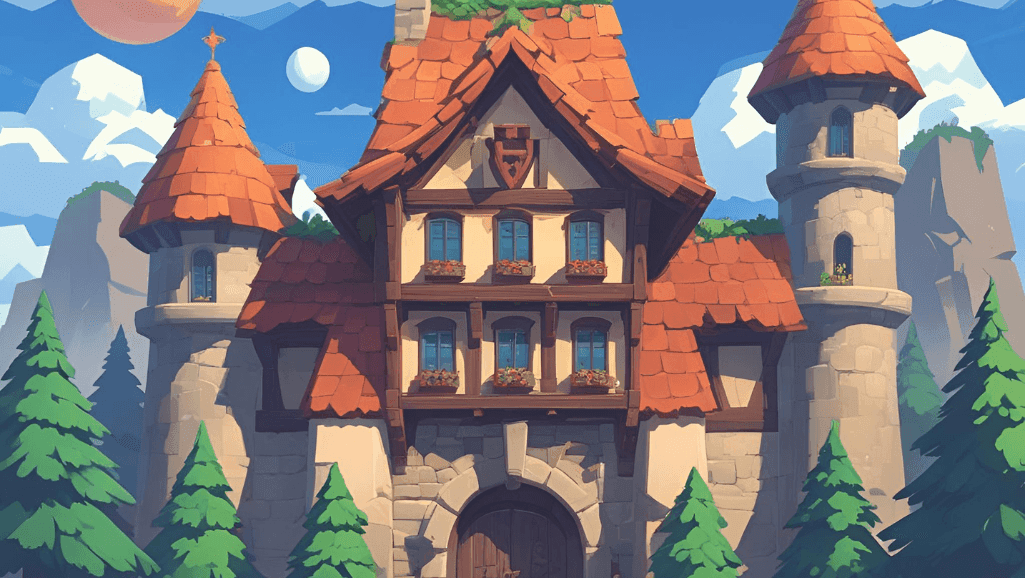
Tower defense evolved from simple wave-based arcade and strategy concepts into a distinct genre with its own mechanics and player expectations. Early influences include arcade shooters and placement-based defense games like Rampart (1990), while custom maps for RTS titles such as StarCraft and Warcraft III helped popularize fan-made tower defense formats.
The mid-2000s saw the genre reach a wider audience via browser and Flash games, and later through mobile platforms: classics like Desktop Tower Defense introduced large casual audiences to the core loop, and mobile hits such as Plants vs. Zombies brought tower defense mechanics to millions of players worldwide.
New Units and Features in TD Games
Over time, designers expanded the toolbox of the genre. Innovations include:
| GameInnovation | |
| Dungeon Defenders | Third-person action + tower placement, blending TD with action-RPG elements. |
| Anomaly: Warzone Earth | “Reverse tower defense” — players control the units navigating defended paths, inverting the genre. |
Other experiments added deck-building mechanics, hero units, and hybrid genres, keeping the tower defense loop fresh and adaptable for different audiences and platforms.
Impact of Real-Time Multiplayer Modes
Real-time multiplayer and co-op modes changed how designers approach pacing and balance. Multiplayer adds social tactics — players coordinate tower roles, share economy, or compete in head-to-head modes — which increases replayability and community engagement. Titles like Legion TD 2 and various co-op defense games demonstrate how multi-player coordination can scale strategic depth.
Building a Community Around Your Game
Community-building is now a core part of many successful defense_games. Encourage player-created content, host events and tournaments, highlight player achievements, and collaborate with content creators to grow visibility. Practical community activities include:
- Hosting regular community events and tournaments
- Encouraging player-generated content and mods
- Featuring player achievements and highlights
- Collaborating with influencers and content creators
“The Core Defense community has been instrumental in shaping the game’s development. Their passion and dedication inspire us to continuously improve and deliver the best possible experience.”
Utilizing Beta Testing for Improvement
Beta testing and early-access demos are invaluable for bug discovery, balance feedback, and feature validation. A public demo or closed beta gives you real-world telemetry and qualitative player input. For instance, games that used Steam demos or early-access programs often gathered wishlists and feedback that informed balancing and feature priorities — just be sure to document and date any quoted metrics (e.g., wishlist or concurrent player numbers) when you cite them.
Lessons from the genre’s evolution: preserve the core earn→spend→upgrade loop, experiment with hybrids (action, hero units, card mechanics) to attract new players, and use community and beta testing to iterate quickly on balance and content.
Gameplay Strategies in Tower Defense
Essential Tips for Building Your Defense
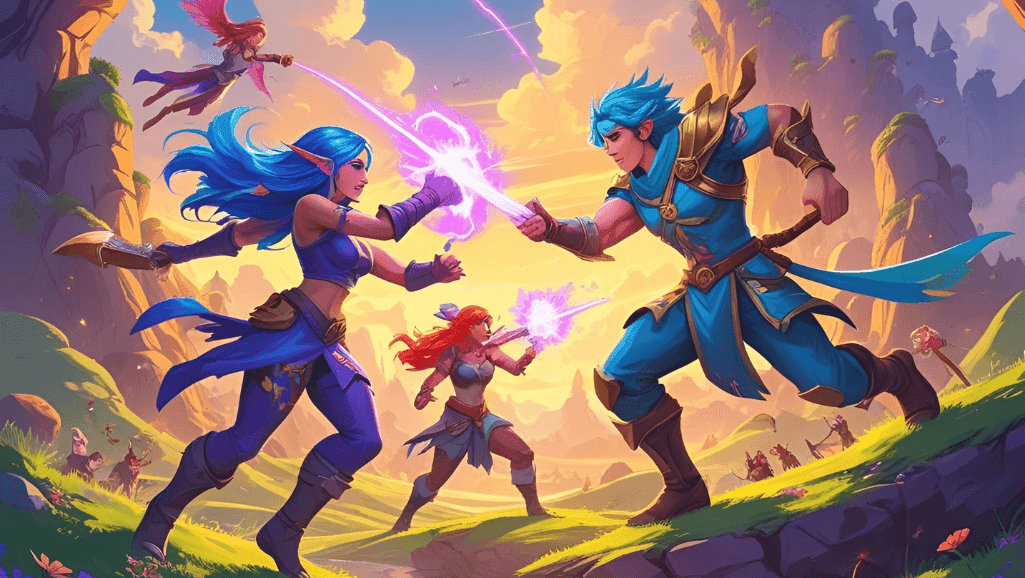
Most tower defense games center on protecting a base from waves of enemies — not preserving a single hero. Your primary tool is tower placement: create kill zones and maximize uptime by placing high-DPS towers where enemies spend the most time, put crowd-control near chokepoints, and reserve utility towers to support the whole line. A common tactic, “mazing,” extends enemy pathing with deliberate obstacles so towers have more time to deal damage.
Do / Don’t quick guide:
- Do prioritize choke points for area-effect and slow towers.
- Don’t scatter expensive towers without coverage — concentrated damage often beats isolated placements.
- Do mix tower roles (DPS + CC + support) to handle varied enemy types.
Wave Management and Resource Allocation
Wave pacing and money flow are central to winning. Early waves should teach basic mechanics; mid-game introduces tougher enemy types; late waves combine multiple threats. A practical allocation guideline for many TD games: spend ~55–70% of early resources on building towers, keep ~30–45% for upgrades and emergency buys. Shift toward higher upgrade investment as waves scale.
Tips to manage waves:
- Save for key upgrades before known heavy waves (telegraph special waves).
- Use temporary traps or cheap towers to stall while saving for a powerful upgrade.
- Track wave composition and swap tower focus (single-target vs. splash) accordingly.
Utilizing Hero Units Effectively
Hero units add active tactical choice—treat them as mobile support that complements tower roles. Place heroes to plug weak points, draw boss aggro, or use area abilities at decisive moments. Upgrade heroes on a schedule so their power scales with wave difficulty.
Hero Do / Don’ts:
- Do assign heroes to roles (tank, nuker, buffer) that match your tower setup.
- Don’t rely solely on a hero to carry poorly positioned towers—heroes are force multipliers, not crutches.
- Do time hero abilities for wave-critical events (bosses, large swarms).
Example early-game build order (teaching layout): 1) Place one cheap DPS at an early chokepoint; 2) Add a splash/CC tower at the next choke; 3) Save for Tier 2 upgrade on your best-positioned tower; 4) Introduce a hero to cover a flank. These simple steps teach placement, upgrade timing, and hero usage in one progression.
Recommended Tower Defense Games

Standout Titles on PC
PC players have access to a wide variety of tower defense games, from casual puzzle-style defense to action hybrids. Here are a few standout titles and why they matter:
- Plants vs. Zombies — Easy to learn but deep in execution; its simple economy (sun currency) makes it a great example of accessible resource management.
- Dungeon Defenders 2 — Blends third-person action with tower placement; great for players who enjoy hands-on combat combined with strategic tower roles.
- Bloons TD 6 — A long-running series known for extensive upgrade trees and replayability; it’s ideal for players who love optimizing tower builds and experimenting with synergies.
- Kingdom Rush Vengeance — Classic tower defense pacing with a robust set of tower types and hero abilities; excellent for players who enjoy produced campaigns and tactical decisions.
- Orcs Must Die 3 — Third-person trap-and-tower action that emphasizes active defense and skillful use of gadgets alongside traditional towers.
Top Mobile Tower Defense Games
Mobile platforms demand readable visuals, tight controls, and bite-sized sessions. These mobile titles exemplify how the genre adapts to on-the-go play:
- Tower Swap — Fast rounds and simple mechanics make it great for short sessions.
- TimeWarriors — Combines tower upgrades with hero progression to keep players returning for strategic depth.
- AOD – Art Of Defense — Known for polished visuals and mod-friendly systems, offering deep tactical options on mobile.
- Cursed Treasure 2 — Focuses on resource control and tower placement with satisfying upgrade pacing.
- Bloons Tower Defense 4 — An earlier entry in the Bloons series that demonstrates how solid mechanics and clear progression build longevity on mobile devices.
Exploring Kingdom Rush and Its Legacy
The Kingdom Rush franchise is widely respected within the tower defense community for its polished design, clear tower roles, and engaging campaign structure. Each entry refines mechanics and offers new towers or hero options, making the series a useful case study for designers who want to balance accessibility with tactical depth.
Monetization Strategies for Your Game
Choosing the right monetization model is crucial for a tower defense game’s success. Two common approaches dominate the market: free-to-play (F2P) with in-app purchases and ads, or premium pricing where players pay once for the full experience. Each model affects design decisions, player expectations, and long-term retention.
Free-to-play attracts a larger audience by removing the paywall up front, then monetizes through in-app purchases, season passes, or cosmetic shops. If you go F2P, prioritize fair monetization: sell convenience and cosmetics rather than pay-to-win power. Offer value packs (starter bundles), time-limited events, and optional battle passes that reward consistent play without gating core progression.
Free-to-Play vs. Premium Pricing Models
Premium pricing
In-App Purchases: Finding the Balance
Balance is essential with in-app purchases. Design offers that feel optional and enhance the experience without disrupting long-term balance. Good practices:
- Make core mechanics fully playable without purchases.
- Offer cosmetic and convenience items (skins, timers, quality-of-life UI upgrades).
- Use contextual offers (e.g., discounted starter pack after tutorial completion) rather than constant intrusive prompts.
Test pricing and conversion in closed betas, and monitor player sentiment closely to avoid churn from aggressive monetization.
Marketing Your Tower Defense Game
Marketing should run alongside development. Build awareness early with dev diaries, short gameplay clips, and community outreach. Use social media, content creators, and targeted ads to reach players interested in strategy and defense games. Influencer partnerships amplify reach — but focus on creators whose audience matches your style and who can demonstrate gameplay depth.
Social Media Strategies for Engagement
Practical social tactics:
- Share regular development updates, concept art, and short gameplay clips.
- Run contests and community challenges to generate user content and organic shares.
- Use polls and playtest snippets to solicit feedback and make players feel invested.
- Respond quickly to comments and spotlight community creations to build loyalty.
Is Tower Defense Simulator Good?
Tower Defense Simulator (popular on platforms like Roblox) is a robust example of community-driven defense experiences: cooperative play, diverse defensive units, and obstacle-rich maps create high replayability. Use such titles as case studies to see how simple mechanics + social features can scale engagement.
Conclusion: The Appeal of Tower Defense Games
Why Casual and Hardcore Players Enjoy the Genre
Tower defense appeals broadly because it blends immediate action with long-term strategy. Casual players enjoy short sessions of placing towers and watching the waves, while hardcore players optimize placements, upgrade orders, and hero synergies. Design systems that reward both quick satisfaction and deep mastery to capture a wide audience.
The Future of Tower Defense Games
Expect continued hybridization: tower defense combined with action, RPG, or card mechanics will keep the genre fresh. Multiplayer and community features (co-op, PvP, user-generated maps) broaden appeal and create longevity.
Final Thoughts on Building Your Ultimate Defense
Great defense games balance strategic depth, clear feedback, and fair monetization. Prioritize playable core mechanics, iterate with beta testing and community feedback, and use marketing and influencer partnerships thoughtfully to grow your player base.
Influencer Partnerships: Expanding Reach
When partnering with influencers, evaluate:
- Relevance: do they play strategy or tower defense games?
- Engagement: do viewers interact meaningfully with their content?
- Reach: will they expose your game to potential players?
- Authenticity: will the influencer present your game honestly and enthusiastically?
Influencer marketing is widely used in game marketing — choose partners that align with your community goals and track campaign KPIs like watch-to-install and retention rates.
Keeping Players Coming Back for More
Retention depends on fresh content: introduce new towers, enemies, seasonal events, and challenges. Host community events and tournaments to maintain engagement, and ship regular updates informed by player feedback.
Regular Updates and New Content
Schedule predictable content drops (monthly or seasonal) and balance them between free updates and paid expansions. Add features that improve onboarding (tooltips, range displays) and veteran systems that reward mastery (prestige trees, hard-mode maps).
Community Events: Fostering Player Loyalty
Community events — tournaments, co-op challenges, limited-time modes — create shared experiences that boost retention. Partner with other games or influencers for crossover events to tap into new audiences.
FAQ
What are the key elements that make tower defense games engaging?
How have tower defense games evolved over time?
What monetization strategies work best for tower defense games?
How can I effectively market my tower defense game?