


Pitching milestones mark the moments when a single performance becomes legend in major league baseball. This article explains the core difference between two such feats so fans can spot them fast: one blocks official hits but can still allow baserunners, while the other permits zero baserunners—27 up, 27 down.
The sweep of mlb history shows how rare true perfection is. Across more than 237,000 contests, Major League Baseball has recorded just 24 official perfect games (see MLB sources for the full list). The most recent came from the New York Yankees’ Domingo Germán on June 28, 2023. Last updated: June 28, 2023.
This guide puts the spotlight on the player on the mound, the pressure each pitch brings, and why one baserunner changes the story. Expect concise definitions, vivid examples, and data-backed context that link baseball’s long history to today’s teams and pitchers.
Key Takeaways
- No-hitter vs Perfect game.
- Definitions: clear, accessible terms for each feat.
- Hierarchy: every perfect game is also a no-hitter and a shutout by definition.
- Rarity: only 24 perfect games in MLB history.
- Recent context: Domingo Germán’s 2023 perfect game is the latest example.
- Approach: short explanations plus sourced examples for fans who follow the game closely.
Why these two feats define greatness in Major League Baseball today
When a single pitcher imposes control from the first pitch to the final out, fans call that greatness. Control combines command, stamina, and the mental toughness that turns tight late-inning moments into defining plays in a game.
What fans mean by elite pitching is straightforward: pinpoint command, calm under pressure in the late innings, and the ability to tilt a contest for their team. Those performances make pitchers legends and shape a club’s place in baseball history.
Setting the stage: shutout, no-hitter, and perfection
Shutout: the pitcher (or pitching staff) allows zero runs over the full game and the team wins on the scoreboard.
No-hitter: the opposing lineup records zero official hits in the game, but hitters can still reach base via walks, hit-by-pitch (HBP), fielding errors, catcher interference, or a dropped third strike. Those practical ways baserunners appear are why the difference matters.
Perfect outing: 27 up, 27 down—no baserunners of any kind over nine innings. For a compact history, see perfect game history, and consult MLB’s official lists for verified records.
“Every inning is a test of concentration, every pitch an audition for immortality.”
- Fans praise efficiency and late-inning nerve: one mistake can change a game.
- A team can be no-hit yet still threaten when baserunners reach by non-hit means (for example, a walk in the 3rd inning breaks a perfect game but leaves a no-hitter intact).
- Combined no-hitters have happened, but MLB has no recorded combined perfect games: a single walk or misplay by any reliever ends a flawless streak (see official MLB rulings for definitions).
No hitter vs perfect game: definitions, rules, and the core difference

Baseball keeps two close but distinct crowns for pitchers: one rewards keeping hitters off the stat sheet, the other demands zero baserunners across nine full innings.
What is a no-hitter? How hitters can still reach base without a hit
A no-hitter means the defense allows zero official hits during the full game. That said, batters can still reach base by several non-hit events: a walk, hit-by-pitch (HBP), catcher interference, a fielding error, or a dropped third strike. Example: a walked batter in the 5th inning breaks a perfect bid but leaves the no-hitter intact.
What is a perfect game? 27 up, 27 down, zero baserunners
Perfect game requires retiring 27 straight batters over nine innings with no one reaching base by any means—no walks, no HBPs, no errors, no catcher interference, and no dropped third strikes. A perfect game also counts as a shutout and therefore meets the no-hitter standard by definition.
Every perfect game is a no-hitter—but not every no-hitter is perfect
- Hierarchy: Perfect game → No-hitter → Shutout (a perfect outing automatically satisfies the others).
- Dramatic difference: A single walk, HBP, or error turns a potential perfect game into a no-hitter; the difference can be just one pitch or one play.
- Innings rule: Official recognition requires nine completed innings by the pitching side—shortened games do not qualify as perfect games under current MLB rules.
Real-world example: Edwin Jackson’s far-from-perfect no-hitter
On June 25, 2010, Edwin Jackson tossed a game with zero official hits allowed but a chaotic line: eight walks, one hit-by-pitch, and an error. That box score illustrates how a no-hitter can include multiple baserunners and still qualify as a hitless performance. For verification, consult the official box score on Baseball-Reference.
Rarity, records, and how perfection rewrites MLB history
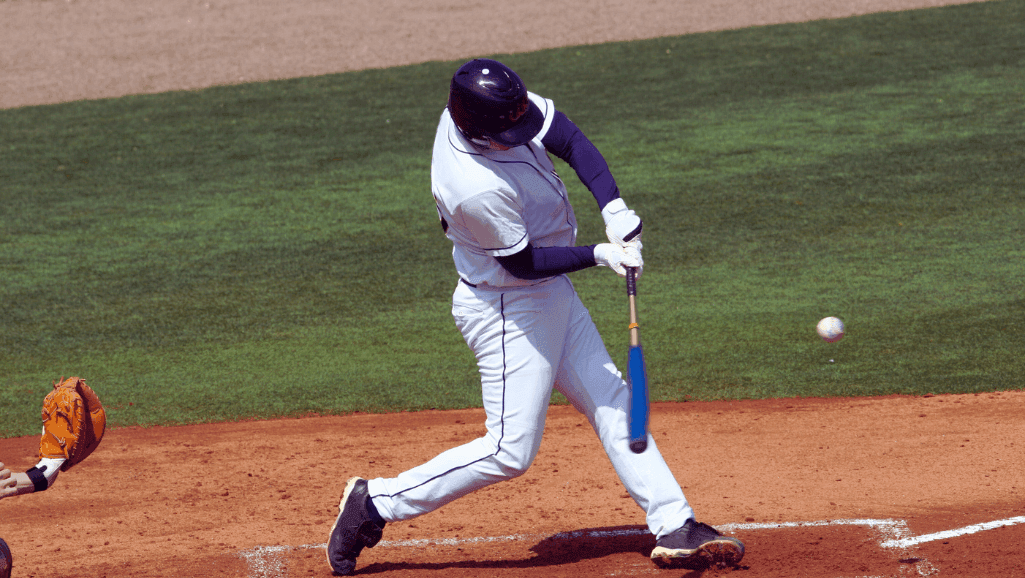
Across more than a century, flawless nine-inning performances remain exceptionally rare and instantly reshape a pitcher’s legacy. As of the most recent update, Major League Baseball has played roughly 237,000–238,000 official games; within that span there are just 24 recorded perfect games, roughly 0.01% of all games in MLB history (see MLB.com or Baseball-Reference for the complete list).
How rare is that accomplishment?
Just 24 times has a single pitcher retired every batter across nine innings. The New York Yankees lead all franchises with four entries among those perfect games. The most recent perfect game came from Domingo Germán on June 28, 2023.
From pitches to innings: notable superlatives
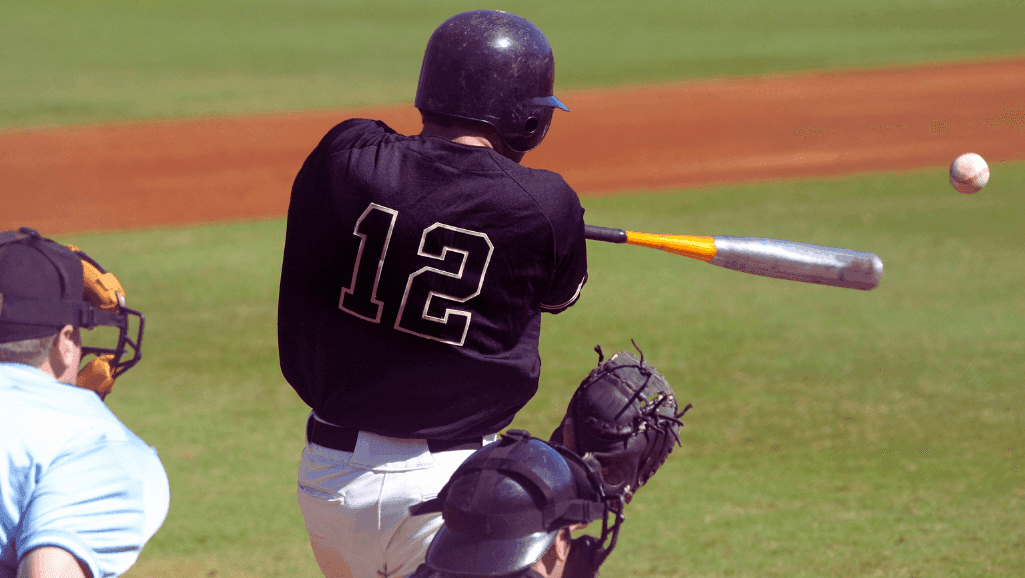
Superlatives highlight how different perfect games can look. Matt Cain threw 125 pitches in his June 13, 2012 perfect game (Giants vs. Astros), while Addie Joss needed roughly 74 pitches in his 1908 masterpiece. Remarkably, the 2012 season produced three perfect games—Philip Humber (April 21, 2012), Matt Cain (June 13, 2012), and Félix Hernández (August 15, 2012)—showing both dominance and the quirks of timing across games.
Why combined outcomes remain absent in MLB
Combined no-hitters do exist, but MLB has never recorded a combined perfect game. The reason is simple: perfection requires no batter to reach base across the full contest, so one reliever’s walk, HBP, or misplay ends the bid. That single allowed baserunner is the decisive factor that separates a combined no-hitter from the even rarer perfect game.
“Perfection asks for focus on each pitch and every batter. It rewards the pitcher who makes no slip across nine innings.”
Iconic moments: New York Yankees, World Series drama, and unforgettable games
Few franchises loom larger in October lore than the New York Yankees. Their postseason history ties dramatic World Series nights to moments of individual greatness on the mound.
Don Larsen’s 1956 perfect game in Game 5 of the World Series remains the only flawless outing in World Series play—an iconic performance against the Brooklyn Dodgers that still defines postseason magic.
Don Larsen’s 1956 World Series perfect game to Domingo Germán’s 2023 gem
From Don Larsen in 1956 (Yankees vs. Dodgers) to Domingo Germán’s June 28, 2023 perfect game (Yankees vs. Oakland), perfect games bookend decades of baseball history and cement franchise lore. Those moments show how a single nine-inning performance can echo across years for a team and its fans.
Postseason no-hitters and other unforgettable starts
Postseason pitching feats include Roy Halladay’s 2010 NLDS no-hitter (Phillies vs. Reds) and other high-pressure starts that carry outsized meaning. Note: MLB has no record of a combined perfect game; combined no-hitters have occurred, but a single allowed baserunner by any reliever ends a flawless bid.
- Matt Cain struck out 14 in his June 13, 2012 perfect game, a dominant display of stuff and command.
- Bill Bevens came within one out of a World Series perfect game in 1947 before a late double changed the result.
- From regular-season masterpieces to October drama, each pitch in a playoff game can become a lasting memory in baseball history.
For a deeper look at classic postseason scenes, see this collection of great World Series moments.
Conclusion
In major league baseball, the distinction is clear: a no-hitter prevents official hits, while a true perfect game allows zero routes to base for any batters — 27 up, 27 down. Even a single walk, HBP, error, or dropped third strike ends a perfect bid.
Across MLB history there have been 24 official perfect games. That scarcity gives each instance outsized weight in baseball history and in a team’s legacy. Combined no-hitters have occurred, but no combined flawless (perfect) game has been recorded in major-league play.
Use precise terms when praising a pitcher: a no-hitter and a perfect game are related but not interchangeable. Respect the rules that separate near-myth from absolute triumph — the difference can come down to one pitch or one fielding play.
Whether you cheer for a team or a player, remember: perfection sits just 27 outs away. Watch each inning closely, and when you witness a historic performance, check the box score and official sources to see where it belongs in MLB history.
FAQ
What is the difference between a no-hitter and a perfect game?
Why do these feats define greatness in Major League Baseball?
How can a batter reach base during a no-hit outing without recording a hit?
How many perfect games have occurred in MLB history?
Can multiple pitchers combine for a perfect outing?
Are postseason perfect or no-hit efforts counted the same as regular-season ones?
What role does defense play in these elite pitching feats?
How do official MLB rules define the requirements for a no-hit or perfect outing?
Are there notable near-misses or controversial no-hit calls in history?