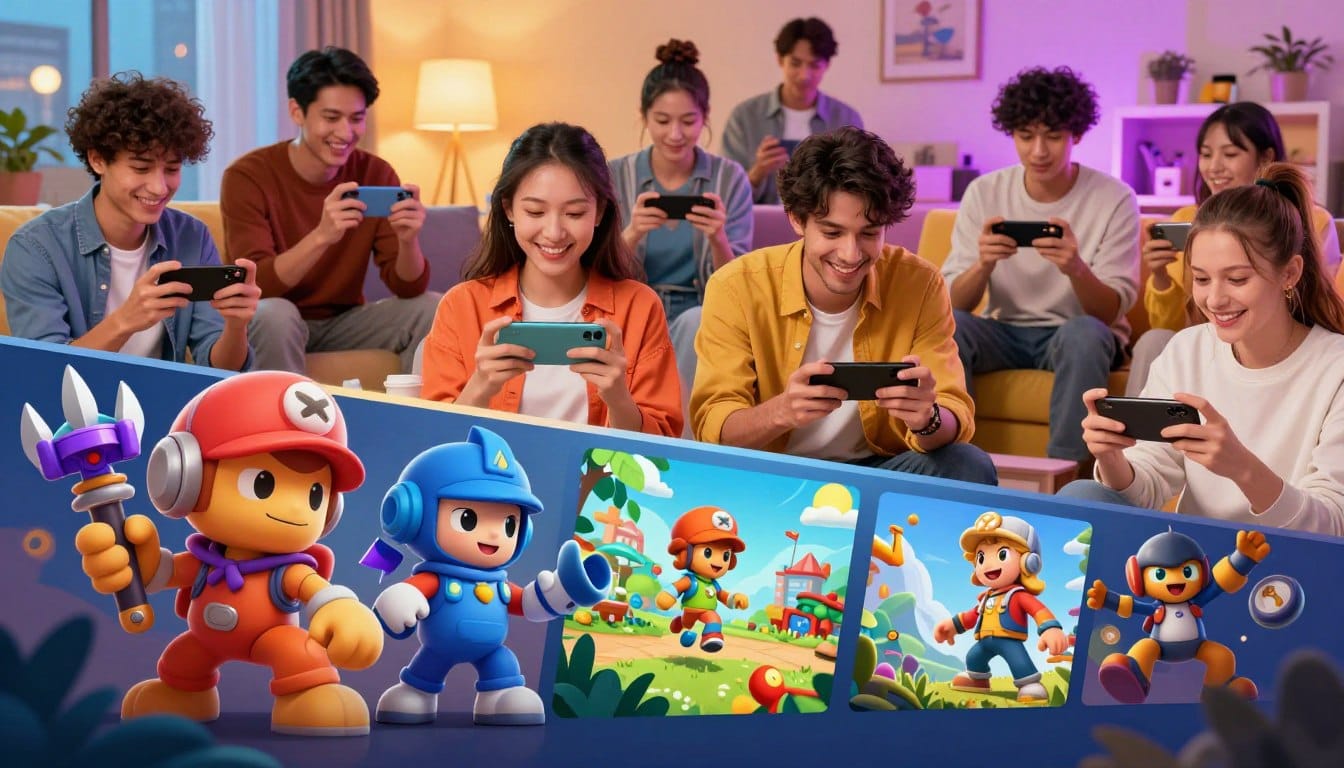
Want a quick, data-led view of what people are actually opening today? This guide looks beyond hype and highlights titles that earn real engagement from millions of players.
We focus on routines, not trends: Roblox tops charts with 129.7M MAU and about 76M daily users, averaging 28+ minutes per session and 4.2 sessions per day. Candy Crush Saga follows with 87.9M MAU and 53.8M DAU.
Other heavy hitters include Free Fire (36.8M MAU, 6.5M+ daily players, ~30 minutes/session), PUBG Mobile (32.4M MAU, ~6.5M DAU, ~30.9 minutes/session), and Royal Match (45.8M MAU, 9.8M DAU).
This piece promises a genre-spanning, data-informed listicle that helps you pick what to download next. We’ll define the metrics (MAU, DAU, sessions/day, minutes/session), explain the selection method, then present quick engagement snapshots by category.
Why it matters: titles rise and fall fast. Updates, events, and active communities can lift a title in weeks. Aim to spend time on offerings that reward you with fresh content and real social scenes.
Key Takeaways
- Most Played Mobile Games.
- Data trumps buzz—this list centers on engagement metrics used by real players.
- Top titles span creator platforms, puzzle hits, and competitive shooters.
- Expect frequent shifts; in-game events can change rank quickly.
- We use MAU, DAU, sessions/day, and minutes/session to rank each title.
- Choose games with active communities and steady content updates.
What “Most Played” Means in Mobile Gaming Today
To call a title ‘top’ today, we look past downloads and watch who actually logs in every day. That shift matters because installs show reach, while return visits show habit.
Daily active users vs monthly active users
Daily active counts measure stickiness: they show who opens a title as part of a routine. Monthly active users capture reach and curiosity — people who tried the app at least once in the month.
Use both: DAU reveals daily habit, MAU shows the overall footprint.
Sessions per day and average session length
Sessions per day tell you how the game fits into real life. Average session length shows immersion. Together they form the game’s rhythm — quick check-ins or long sittings.
Downloads vs playtime vs revenue: why rankings change
Downloads can spike after a viral moment but fade if the loop isn’t deep. Revenue adds a different lens: a smaller base can earn more than a larger, casual audience.
- Playtime-focused ranking favors repeat opens and sustained minutes per day.
- Revenue charts favor spending intensity over sheer user count.
- Market shifts happen fast — seasons, live events, and updates reset standing.
How This List Was Built Using Present-Day Engagement Signals
This list leans on real engagement signals to show what people open again and again.
We used AppMagic-style mobile intelligence to pull hard numbers that reflect habit, not hype. The focus is on MAU, DAU, sessions per day, and minutes per session. Those metrics tell us which titles create routines for users.
Primary data points and trust signals
- MAU & DAU: measure reach and stickiness among active users.
- Sessions/day: reveal how often a player opens the game.
- Minutes/session: show immersion — Call of Duty®: Mobile averages long sits at 31.7 minutes.
Why “right now” rewards updates and events
Updates and events change player behavior fast. Frequent content drops build daily rituals.
Limited-time events create urgency. Players return to claim rewards before they vanish. That spike in DAU and sessions/day is visible in AppMagic-style stats.
Communities amplify these effects. Social goals, clans, and shared events boost repeat sessions and lift retention across the app world.
What to expect: this guide is a snapshot of attention today. It highlights which game experiences earn real time and visits, not which apps had big launch weeks.
Roblox: The Giant Social Platform with Massive Active Users
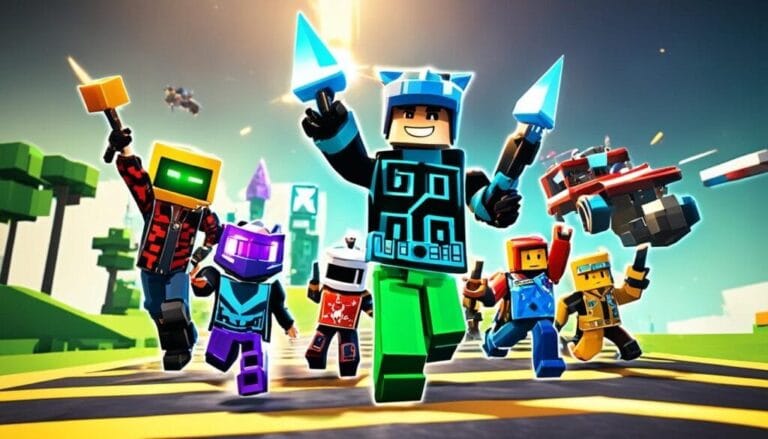
Roblox is more than one app — it’s a platform where creators and friends meet across countless worlds. That mix of social tools and user-made content gives it an unusual place in the game world.
Why it leads the pack
Creators drive discovery. Anyone can build, publish, and monetize. That turns casual users into active creators and keeps content fresh.
Engagement snapshot
129.7M MAU and about 76M daily players show scale. Session behavior — 28+ minutes per session and ~4.2 sessions/day — explains why Roblox dominates time spent.
What keeps people returning
- Creator economy: tools, revenue, and a pathway from player to maker.
- Community features: friends, hangouts, events, and shared worlds.
- Varied experiences: action, roleplay, and social spaces inside one app.
For families and teens in the United States, Roblox blends creativity with social play. Try it if you want an app that feels like many games at once.
Most Played Mobile Games in Puzzle and Match-Three Right Now
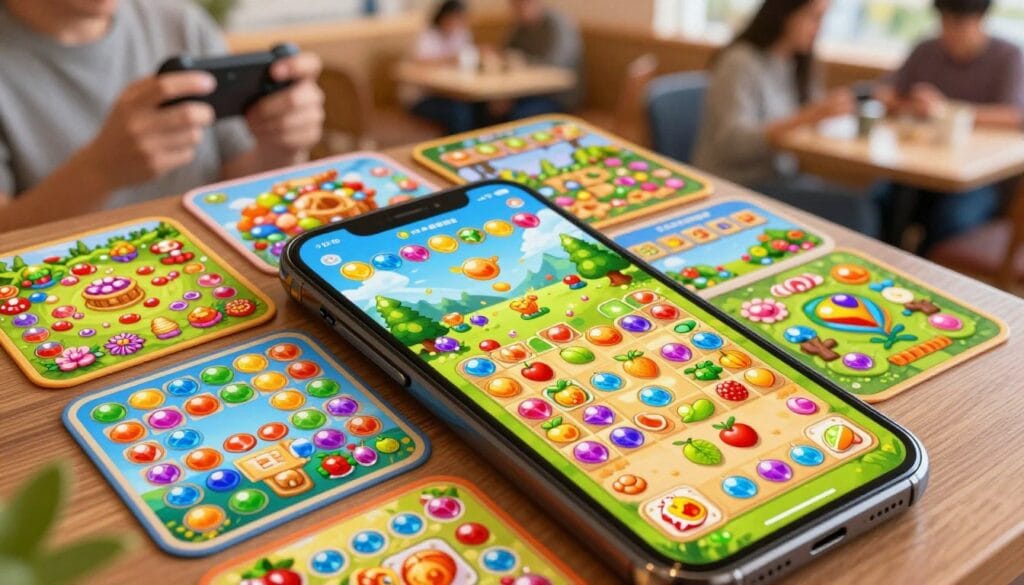
Short sessions and satisfying clears make puzzle titles natural daily pit stops for millions.
Candy Crush Saga keeps its grip with simple rules and steady updates: 87.9M MAU, 53.8M DAU, ~4.2 opens/day and 15.8 minutes/session. Its quick-win loop is pure habit building.
Candy Crush Saga and the staying power of quick wins
Match-three basics shine because they are easy to start and rewarding to finish. Players return for the rhythm of clears and visible progress.
Royal Match and modern puzzle progression mechanics
Royal Match blends polish with depth: 45.8M MAU, 9.8M DAU, nearly 5 sessions/day and ~18 minutes/session. Its layered mechanics keep the core loop fresh.
Candy Crush Soda Saga for fresh twists and new challenges
Soda adds new themes and obstacles. With 11.2M MAU and longer sessions (~21.48 minutes), it appeals to long-time candy crush fans seeking variety.
Fishdom’s customization loop that keeps people hooked
Fishdom ties wins to aquarium upgrades. Its 15M MAU and 5.36 sessions/day show how personalization boosts return visits.
Gardenscapes and Homescapes: story-driven puzzle experiences
These titles add narrative and renovation. Gardenscapes (9.4M MAU) and Homescapes (4.5M MAU) turn levels into chapters players care about.
“Small rewards, clear progress, and fresh mechanics create a habit you actually enjoy.”
- Why they win: familiar mechanics updated with new twists.
- Player loop: quick wins, visible progress, and frequent refreshes.
- Scale: millions return because the experience is reliable, rewarding, and often social.
Candy Crush Saga: A Decade-Long Hit That Still Dominates
After a decade, Candy Crush Saga keeps converting short breaks into meaningful play sessions. It turns spare minutes into a satisfying, repeatable routine that fits into busy US days.
Engagement snapshot
87.9M MAU, 53.8M DAU, and an average of 4.2 opens per day. That level of active users proves the title’s grip is current, not nostalgic.
Why it works
Simple rules, deeper play. Early levels teach a clear loop. Later stages demand real strategy and planning, which keeps experienced players engaged.
- Short sessions: ~15.8 minutes per session makes the game immersive without taking over the day.
- Frequent updates: new levels and seasonal content prevent burnout and invite returns.
- Accessible design: instant clarity for new players, layered depth for veterans.
“Small, reliable rewards and ongoing challenges create a daily habit players trust.”
Royal Match: A Quiet Powerhouse with High Daily Active Play

Royal Match quietly builds daily habits, converting short breaks into a steady rhythm of returns. Its numbers show scale: 45.8M MAU and about 9.8M daily players, with roughly 4.98 sessions per day and ~18 minutes per session.
Engagement snapshot
The raw counts prove this is not niche. High active users and near-five opens each day mean Royal Match wins attention without heavy demand on time.
Why it stands out
Polish matters. Smooth animations, a clean UI, and satisfying feedback make the play feel reliable for quick breaks.
- Updates drop new levels and limited challenges that keep retention steady.
- Momentum mechanics: streaks, boosters, and paced progression reward regular check-ins.
- Those design choices shape an experience players trust day after day.
“A game can be quiet and still claim real daily habit — Royal Match is proof.”
Battle Royale Favorites: Free Fire and PUBG Mobile
When a match can flip in seconds, battle royale titles create the kind of shared drama that keeps friends logging in. These titles mix short bursts and long sits, so they work for quick commutes or extended sessions.
Free Fire’s fast matches and accessible performance across devices
Free Fire leans into speed and broad compatibility. With 36.8M MAU, 6.5M+ daily players, ~4.1 sessions/day and ~30 minutes/session, it rewards quick decision-making and runs well on lower-end devices.
PUBG Mobile’s tactical pacing and competitive community
PUBG Mobile favors tactical play. Its 32.4M MAU and ~6.5M DAU show a competitive community that values strategy, larger maps, and longer planning during each ~30.9 minute session.
Why battle royale stays sticky: squads, ranked play, and seasonal content
Squads and ranked ladders create social accountability — friends log in because a team waits. Seasonal content, new passes, and rotating modes give players fresh reasons to return.
- Shared mission: team goals turn a solo round into a social routine.
- Device reach: free fire’s optimizations vs PUBG Mobile’s depth suit different hardware.
- Live content: updates and cosmetic drops keep the loop alive.
“These titles deliver console-like tension in your pocket — perfect for US players who want action on the go.”
Free Fire: Fast-Paced Action with Long Sessions

Free Fire’s loop pairs fast combat with visible rewards, making every session feel worth the time.
Engagement snapshot: 36.8M MAU, 6.5M+ daily players, ~4.1 sessions/day and roughly ~30 minutes per session.
Those figures show scale and stamina. With about half an hour per session, players usually finish full match cycles rather than just checking in.
- Adrenaline and clear goals: every round gives immediate objectives and tension, which boosts return visits.
- Fast pacing: quick engagements cut downtime so multiple matches fit into one sitting.
- Wide accessibility: strong performance across many phones expands the player base and keeps sessions consistent.
- Cosmetics and progression: unlocks, skins, and seasonal content create social incentives to come back.
For US players seeking action with low friction, Free Fire balances speed, competitiveness, and long sessions that build habit and community. Explore the Free Fire update to see current events and cosmetic drops.
PUBG Mobile: Tactical Battle for Players Who Love Strategy
PUBG Mobile rewards careful thinking. Each match unfolds like a short campaign where choices matter.
Engagement signals: 32.4M MAU, about 6.5M daily active players, ~3 logins/day, and ~30.9 minutes per session. Those numbers show deep habit and long sits.
The loop—drop, loot, rotate, fight, survive—fits longer play. That pace lets you craft a story every round instead of chasing pure speed.
- Strategy moments: positioning, resource management, and team coordination reward patience and skill growth.
- Match rhythm: longer sessions suit tactical planning and phased decision-making.
- Retention engine: a competitive community and ranked ladders keep players returning to improve.
“If you love learning and getting better, PUBG Mobile turns every game into progress you can feel.”
For gamers who value depth over rush, this battle royale delivers tension, teamwork, and a world that rewards deliberate play.
FPS and Action Multiplayer That Keep Players Coming Back
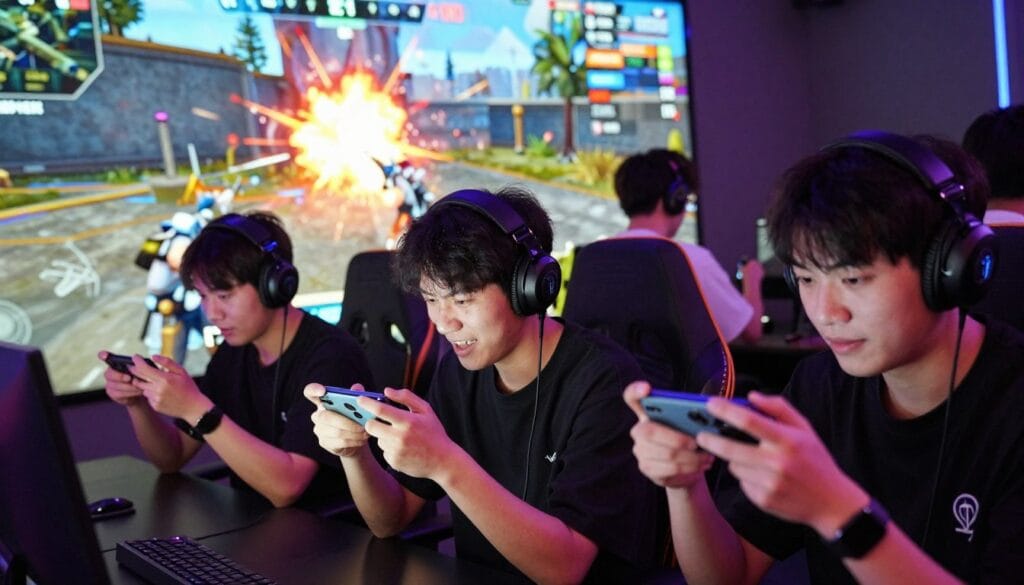
Fast-paced shooters and team action titles pull people back because progress feels real. Skill growth, ranked ladders, and clear rewards turn play into a habit without making it feel like work.
Call of Duty®: Mobile stands out for deep immersion. Bigger modes, classic maps, and cinematic events create longer sessions — it averages about 31.7 minutes per session. Seasonal updates and large-scale events layer fresh goals on top of core combat, so players return at set times to chase new content.
Quick team fights: Brawl Stars
Brawl Stars is the opposite rhythm: short, intense matches that fit spare minutes. It posts ~18.7M MAU, 3.4M DAU, ~4.12 sessions/day, and ~22.16 minutes per session. Frequent brawler updates and rotating modes keep variety high.
Events and updates act as momentum drivers: limited-time modes, seasonal rewards, and daily missions create natural return triggers. Ranked ladders, unlock systems, and short challenges make it easy to log in the same times each week.
- Why this category wins: competition and tangible progress reward practice.
- Return triggers: ranked play, unlocks, and daily missions that feel fair and fun.
- Session types: long, immersive matches or fast team skirmishes—both build routine engagement.
“When updates and seasons give meaning to play, logging in becomes part of the week, not a random pastime.”
Long sessions in FPS titles point to high engagement. That sets up the next section, which dives into Call of Duty®: Mobile and why extended play ties directly to retention.
Call of Duty®: Mobile: Big Maps, Bigger Events, Longer Playtime
Call of Duty®: Mobile brings console-scale firefights into your pocket with maps and modes that reward time invested.
Engagement snapshot
Quick look at the numbers
12.6M MAU and about 31.7 minutes per session show that sessions are long and focused, not just quick check-ins. Players average ~3.19 sessions per day, which means repeat engagement across daily windows.
Retention drivers and why they matter
The game keeps attention through recognizable maps and iconic modes that create familiarity. Ranked ladders add purpose and a clear path to improve.
- Iconic modes: Multiplayer, battle royale, and seasonal modes let different playstyles thrive.
- Ranked ladders: Competition gives players measurable progress and goals.
- Seasonal updates and events: Regular drops refresh content and give players new challenges to chase.
For competitive players, performance, loadouts, and team coordination make progress feel earned. That blend of skill, rewards, and evolving content keeps Call of Duty®: Mobile a top choice for those who want deep FPS action on a handheld device.
“Long sessions and steady updates turn casual play into a routine of improvement and teamwork.”
RPG and Open-World Experiences Leading the Played Mobile Category
When a world rewards curiosity, players build routines around exploration and progression. RPGs and open-world titles do more than fill time; they create places people want to revisit.
Honkai: Star Rail leans on turn-based depth and frequent story drops. With 20.8M MAU and 12.5M daily players, it averages about 3.14 launches/day and ~29.56 minutes per session. Strategic combat and character builds make each session a tactical choice.
Genshin Impact and exploration-first design
Genshin Impact trades tactics for a living world to roam. It posts ~12M MAU, ~2.3M DAU, ~3.75 sessions/day and ~31.38 minutes per session. Discovery, puzzles, and character growth reward curiosity and longer sits.
Why this matters: regular updates and fresh content keep both titles alive. If you favor planning and layered strategy, lean into Star Rail. If you crave open-world discovery and sense of place, Genshin is the right pick.
“Depth and steady drops of content turn single sessions into ongoing adventures for dedicated players.”
Strategy and Survival Games with Loyal Player Bases
Strategy and survival titles turn careful planning into long-term rituals that reward steady return visits. These experiences rely on teamwork, timing, and steady upgrades. Players build habits around alliance goals and weekly resets.
Clash of Clans — the decade-long clan ecosystem
Clash of Clans is classic base-building: 12.3M MAU, 3.7M DAU, 4.53 sessions/day, ~13.05 minutes/session. Clan wars and identity turn casual users into committed members.
Whiteout Survival — constant check-ins and alliance play
Whiteout Survival posts 7.7M MAU and 1.5M DAU with a huge 8.62 sessions/day. That frequency shows the title wins on quick decisions and tight coordination between allies.
Last War: Survival — real-time competition loops
With 12M MAU and 1.5M DAU, Last War: Survival pushes players to defend, upgrade, and climb power rankings through fast, competitive cycles.
Evony: The King’s Return — long-session empire management
Evony averages 8.7M MAU, 1.5M DAU and ~30.71 minutes/session. Its deep empire systems reward optimization and long sits for players who love measured growth.
“These titles thrive when events and alliance goals give meaning to every login.”
- Why loyalty matters: planning, teamwork, and steady progress build long-term hobby loops.
- Check-ins: frequent sessions signal constant decision-making and social ties.
- Events: limited-time rewards and new content keep communities rallying around fresh goals.
Sports and Lifestyle Hits Still Pulling Millions of Players

Sports and lifestyle titles carve out daily slots in people’s routines, from quick commutes to weekend meetups. These apps turn social plans into reasons to open a game and check in with friends.
eFootball™ — competitive matches and steady updates
eFootball™ is the sports pick for players who want realistic matches and ongoing seasonal challenges. It posts 11.7M MAU, 4.3M DAU, ~3.75 sessions/day and ~25.24 minutes/session.
MONOPOLY GO! — quick loops, social rivalry, and trades
MONOPOLY GO! thrives on short sessions and social play. With 16.2M MAU, 2.7M DAU and ~6.84 sessions/day, it hooks players with rivalries, trades, and event cadence that fit spare minutes.
Pokémon GO — real-world events and active communities
Pokémon GO still drives real meetups through raids and Community Day. It shows 6.1M MAU, about 837,498 daily players, ~5.47 sessions/day and ~16.61 minutes/session.
- Why they matter: these titles prove that not all top experiences need long sits—social design and live events create reliable routines.
- US fit: weekends, commutes, and local meetups turn into play opportunities for friends and community alike.
“When a game matches your daily rhythm, it becomes part of life — not just an app on your phone.”
Why These Top Mobile Games Win: Updates, Events, Community, and Creativity
Top titles win because they keep changing—updates and live events turn casual visits into daily rituals. That steady refresh creates reasons to open an app today, not later.
Live ops: limited-time events create urgency and ritual. Seasonal drops and timed rewards spike daily logins and build short-term goals that compound into habits.
Social systems that bind players
Clans, raids, and rivalries turn solo play into shared identity. Community features—friends lists, alliances, and persistent leaderboards—make players care about each other’s progress.
Smart progression that welcomes and rewards
Good mechanics ease new players in, then layer depth for mastery. Onboarding, streaks, and paced unlocks keep retention high without overwhelming beginners.
Cross-device play and wide accessibility
Winning titles run smoothly on smartphones and tablets, so more people can join and return. Platforms like Roblox show how creativity and creator tools let users shape content and keep worlds fresh.
- Shared DNA: constant live ops and community hooks.
- Choose your way: competitive, social, creative, or calm—pick what fits your rhythm.
“Frequent updates, social systems, and accessible play create habits that last.”
For a quick data-led view of the top options and retention drivers, see our most-played list.
Conclusion
In short, the winners are the titles that earn repeat minutes, not a spike in downloads. Roblox (129.7M MAU), Candy Crush Saga (87.9M MAU), Royal Match (45.8M MAU), Free Fire (36.8M MAU), and PUBG Mobile (32.4M MAU) show how engagement wins.
One top takeaway: choose by DAU/MAU and session behavior. That picks a game built for long-term fun, not a fleeting chart bump.
Different titles win in different ways: Roblox through creativity, Candy Crush with instant satisfaction, and battle royale with teamwork and tension. Try a new genre you usually skip — the best mobile games for you might be outside your lane.
Success lasts for years when updates, smart progression, and community keep a world feeling alive. This snapshot reflects today; seasons and new releases will reshape the list, but habit-forming fundamentals will still decide which title stays on top.