


Start an exciting journey into the world of strategy games. Here, critical thinking, resource management, and tactics come together. These games are loved by many, with their complex mechanics and tough goals.
Strategy games cover many genres, from turn-based tactics to empire building. Whether you love historical battles or space adventures, there’s a game for you. It will test your strategic skills.
Strategy games are great for your mind. They help you solve problems, manage time, and adapt to new challenges. These games are more than fun; they help you grow mentally and develop skills.
In mobile gaming, top mobile strategy games are very popular. Games like Clash of Clans and Rebel Inc. offer fun and strategy on the go. They mix quick play with deep strategy, perfect for mobile.
Are you ready for a mind-bending adventure? Get ready to be a strategist, manage resources, and lead your army to victory. The world of strategy games is waiting for you, ready to challenge your mind and help you win!
Key Takeaways
- Strategy games offer a stimulating and challenging form of entertainment that engages the mind.
- Players can explore various genres and styles, from turn-based tactics to empire building.
- Strategy games foster critical thinking, problem-solving, and effective resource management skills.
- Mobile strategy games provide immersive experiences that can be enjoyed on the go.
- Engaging in strategy games promotes mental stimulation and personal growth.
The Evolution of Strategy Games
Strategy games have a long history, starting from ancient board games to today’s digital games. These games were first played in ancient times. They were valued for improving problem-solving, creativity, and mental skills.
From Board Games to Digital Platforms
The oldest strategy game, Senet, was played in ancient Egypt around 3,500 BCE. It was played on a board with pieces moved by dice rolls. Senet mixed strategy and luck.
Another game, Go, is believed to be the first true strategy game. It started in China around 2,356-2,255 BCE. In Japan, Go became popular, with players perfecting its strategies.
“Go has influenced Chinese geopolitics, and its strategies can be observed in the nation’s political and diplomatic approaches.” – historian John Fairbairn
With technology’s growth, strategy games moved from boards to digital platforms. The first chess computer program was made in 1956. Herzog Zwei in 1989 was the first real-time strategy game. Dune II in 1992 then set the stage for many RTS games.
Key Milestones in Strategy Game Development
In the 20th century, strategy games saw big changes. New mechanics and subgenres were introduced. Series like Command & Conquer, Starcraft, Warcraft, and Age of Empires defined the genre.
Age of Empires introduced the idea of evolving civilizations through technology ages. The esports scene also grew, with games like Age of Empires being played in tournaments. Strategy games now entertain and teach, improving resource management and critical thinking.
Benefits of Playing Strategy Games
Strategy games mix mental challenges, brain growth, and social fun. They push players to think deeply, solve tough problems, and plan ahead. Playing these games can change players in many ways, beyond just winning.
Enhancing Problem-Solving Skills
Playing strategy games sharpens problem-solving skills. Games like Starcraft and Age of Empires test players with complex challenges. Players learn to think critically and adapt quickly.
These skills help players solve real-life problems better. They become more efficient and effective in tackling complex issues.
Boosting Cognitive Abilities
Strategy games are fun and good for the brain. They require quick thinking and sharp memory. Players must make fast decisions and remember important details.
This mental workout strengthens the brain. It improves memory, focus, and mental speed. Playing strategy games regularly can make you smarter and more alert.
“The best way to improve IQ scores is through practice, not just brain exercises.”
Building Social Connections
Strategy games are not just for solo play. They offer chances to connect with others. Multiplayer modes let players team up or compete globally.
These games teach teamwork, communication, and fair play. Players work together, strategize, and win as a team. Friendships and a sense of community grow from these shared experiences.
Types of Strategy Games
Strategy games come in many forms, each with its own unique style. From the quick action of real-time strategy to the careful planning of turn-based tactics, there’s something for everyone. Let’s look at some of the most popular types of strategy games.
Real-Time Strategy (RTS)
Real-time strategy games, like the StarCraft series, require fast decisions and resource management. Players build bases, gather resources, and create armies to beat their foes. The fast pace demands quick thinking and precise actions, making it a thrilling challenge.
Turn-Based Strategy (TBS)
Turn-based strategy games, such as the Civilization series, offer a more thoughtful approach. Players make moves one at a time, allowing for careful planning and long-term strategy. These games involve building empires, researching technologies, and negotiating with other civilizations. Turn-based tactics games focus on smaller battles and unit placement.
“In strategy games, it’s not just about who has the biggest army or the most resources. It’s about outthinking your opponent and making the right moves at the right time.”
4X Strategy Games
4X strategy games, short for “eXplore, eXpand, eXploit, and eXterminate,” offer a large-scale experience. Games like Stellaris and Endless Space let players build vast empires, meet alien species, form alliances, and fight epic battles. These games have deep technology trees, complex diplomacy, and a sense of discovery.
Whether you love the rush of real-time strategy, the strategic thinking of turn-based tactics, or the grand adventure of 4X games, there’s a strategy game for you. So, get ready, plan your strategy, and lead your forces to victory!
Popular Strategy Game Titles
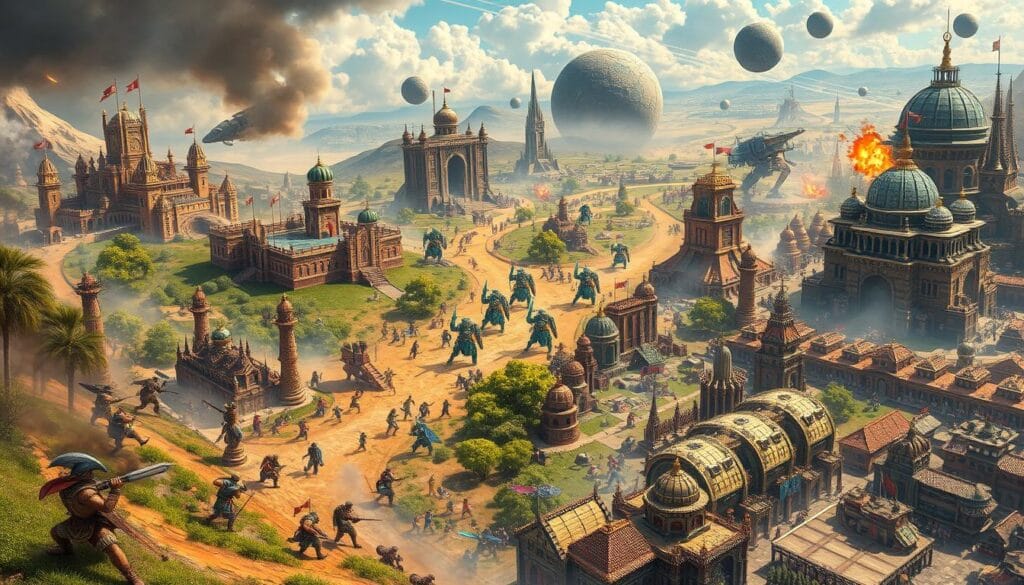
In the world of strategy games, a few titles have stood the test of time. They continue to captivate players with their engaging gameplay and deep strategic elements. These games have garnered massive followings and remain popular choices for both casual and competitive gamers alike.
Age of Empires Series
The Age of Empires series is a beloved franchise. It allows players to build and manage historical civilizations. With its rich historical context and diverse civilizations to choose from, Age of Empires offers a unique blend of resource management, military strategy, and technological advancement.
Players can engage in epic battles, forge alliances, and lead their civilization to glory.
StarCraft II
StarCraft II is a sci-fi real-time strategy (RTS) game that has captured the hearts of players worldwide. Set in a distant future, players command one of three distinct races: the resourceful Terrans, the psionic Protoss, or the adaptable Zerg. With its fast-paced gameplay, unit interactions, and strategic depth, StarCraft II has become a staple in the competitive gaming scene.
It has a thriving esports community.
“StarCraft II is not just a game; it’s a cultural phenomenon that has redefined the RTS genre and inspired a generation of strategists.”
Civilization VI
Civilization VI is the latest installment in the acclaimed turn-based 4X strategy series. In this game, players take on the role of a leader guiding their civilization from ancient times to the space age. With a vast array of civilizations to choose from, each with their unique abilities and bonuses, Civilization VI offers endless replayability.
Players must make critical decisions, manage resources, engage in diplomacy, and lead their civilization to victory through various means. This includes scientific advancement, cultural influence, or military conquest.
These popular strategy game titles have left an indelible mark on the gaming industry. They inspire countless players to test their strategic prowess and immerse themselves in captivating worlds. Whether you prefer the historical depth of Age of Empires, the sci-fi intensity of StarCraft II, or the grand scope of Civilization VI, these games offer endless hours of strategic entertainment.
The Psychology Behind Strategy Games
Strategy games are more than fun; they mix psychology and gameplay in a unique way. They make players think deeply, make smart choices, and guess what others will do. This creates a thrilling competition of minds.
Engaging the Mind
Strategy games use mind games to outsmart opponents. Players use tactics like bluffing and predictive play in games like poker and chess. They must read their opponents’ moves and adjust their plans. As Sun Tzu said in “The Art of War,” “All warfare is based on deception.”
These games challenge the brain, releasing dopamine, which makes players feel good when they win. The surprise of rewards keeps players excited and coming back for more.
The Role of Decision-Making
Decision-making is key in strategy games. Players must always think about their choices and pick the best option. Minesweeper, for example, requires careful planning to avoid mines. StarCraft II demands fast decisions to manage resources and outmaneuver opponents.
“Life is like a game of chess, changing with each move.” – Chinese Proverb
Strategy games also teach real-life skills like managing resources and planning for the future. In Civilization VI, players lead civilizations through history, making decisions in diplomacy, warfare, and science. These games show the value of patience, foresight, and making big decisions, skills useful in life.
Strategies for Success in Strategy Games
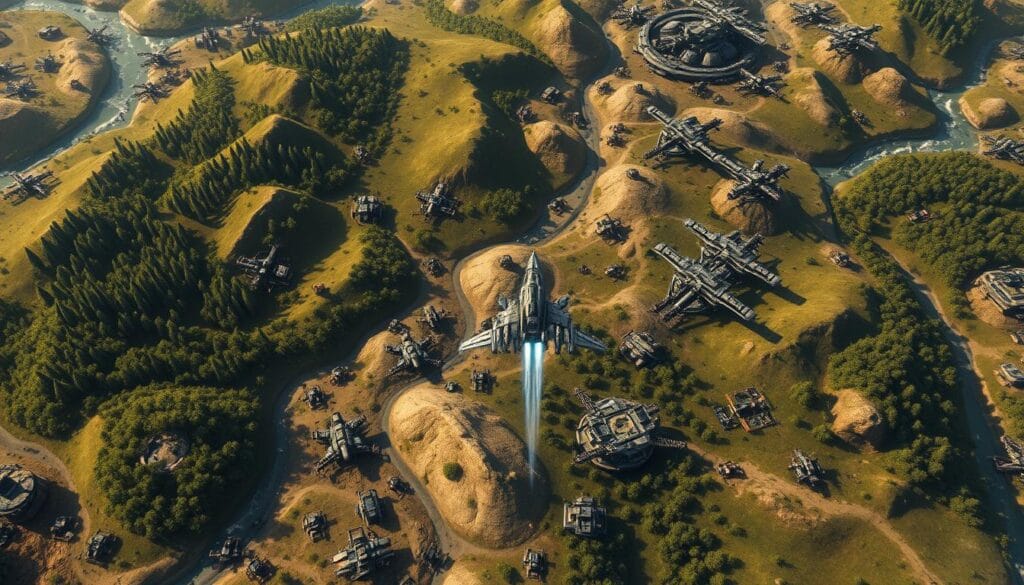
To do well in games like Age of Empires IV, Civilization VI, and Total War: Warhammer III, you need to know how to manage resources, position your troops, and plan for the long haul. These games test your ability to make key decisions that affect your success. They require both strategic and tactical thinking.
Resource Management
Managing resources well is key to winning in strategy games. You must use what you have wisely to reach your goals. This means setting clear targets and managing risks to use resources effectively.
Tactical Positioning
Positioning your troops strategically is vital. It’s about understanding the game, predicting what the enemy will do, and adjusting as needed. Sun Tzu in The Art of War once said:
The good fighters of old first put themselves beyond the possibility of defeat, and then waited for an opportunity of defeating the enemy.
Long-Term Planning
Planning for the long term is essential. You need to set goals, think about future challenges, and adjust your plans as the game goes on. It’s about understanding the game’s feedback loops and making smart choices. This way, you can find different paths to victory and avoid getting stuck in predictable strategies.
How to Choose the Right Strategy Game
Finding the perfect strategy game can be tough, with so many options out there. It’s important to think about your play style, the game’s complexity, and how easy it is to learn.
Identifying Your Play Style
Strategy games come in many styles. Some are fast-paced and action-packed, while others are slower and more thoughtful. If you love the rush of quick decisions, try real-time strategy (RTS) games. For those who prefer planning each move carefully, turn-based strategy (TBS) games are a better fit.
“Knowing your play style is the key to finding a strategy game that will keep you engaged and entertained for hours on end.”
Game Complexity and Learning Curve
Game complexity and learning curve are also key factors. Games like Civilization VI are deep and complex, requiring a lot of time to learn. These games are great for those who enjoy a challenge.
Games like Age of Empires II: Definitive Edition are easier to start with. They offer a good balance between depth and ease, making it easier for new players to get started.
Here are some tips to help you choose:
- Read reviews and watch gameplay videos to understand the game’s pace and complexity.
- Try demos or free trials, when available, to experience the gameplay firsthand.
- Engage with the game’s community to learn from experienced players.
By identifying your play style and evaluating a game’s complexity and learning curve, you can find a strategy game that’s both fun and fulfilling.
The Impact of Strategy Games on Players
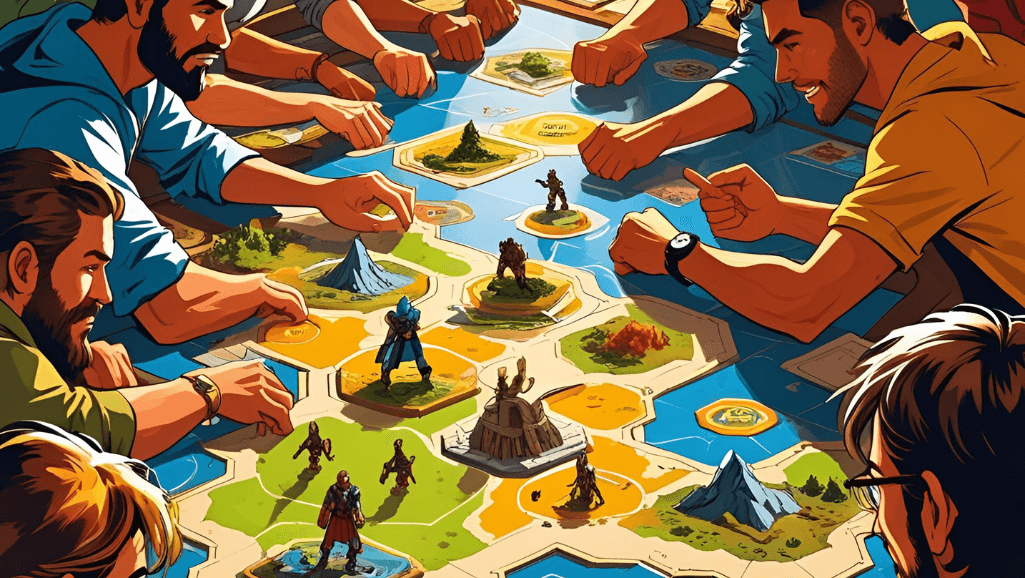
Strategy games do more than entertain; they help players grow and learn. Players dive into virtual worlds, facing challenges and making choices. This journey helps them grow and develop new skills.
Fostering Teamwork and Leadership
Multiplayer strategy games are like virtual training grounds. They teach teamwork and leadership skills. Players must work together, communicate well, and make strategic decisions to win.
A study found 68% of gamers are deeply involved in gaming. This shows how much they value teamwork and communication. These skills are very useful in real life, both personally and professionally.
“Strategy games have taught me the value of teamwork and how to lead a group towards success. These skills have translated seamlessly into my professional life, making me a better collaborator and leader.” – John, a longtime strategy game enthusiast.
Personal Growth and Self-Discipline
Strategy games also help with personal growth and self-discipline. They require patience, perseverance, and learning from mistakes. Players must think critically and make smart decisions to win.
The games appeal to people of all ages, with a mean age of 24.5 years old. This shows strategy games are for everyone who wants to improve their life skills.
Mobile strategy games make these benefits even more accessible. With 34% of gamers playing on mobile, more people can grow through gaming. Whether on PC, console, or mobile, strategy games offer a fun way to improve yourself.
As players face challenges in strategy games, they learn to see failure as a chance to grow. This resilience and ability to adapt can help in many areas of life. It lets people face obstacles with confidence and determination.
The Future of Strategy Games
Strategy games are on the verge of a big change. AI and mobile gaming are leading the way to more exciting games. With technology improving fast, the future of strategy games is looking great.
AI is changing strategy games a lot. It makes opponents smarter and more challenging. In a recent online Diplomacy tournament, players showed how virtual games are becoming more popular. AI programs like Cicero are also showing how AI can make games more fun and real.
Video strategy games are also changing. Machine-learning algorithms add unique elements to games. This makes each game different, adding replay value.
Balancing Gameplay with AI
AI is making games fairer and more fun. It adjusts difficulty levels based on player actions. This ensures everyone has a good time playing.
Cooperative AI is also changing how we play. It introduces new strategies and alliances. This makes games more interesting and dynamic.
The Rise of Mobile Strategy Games
Mobile gaming is growing fast, and strategy games are leading the way. Mobile devices make games easy to play anywhere. Cross-platform play lets players play on different devices without trouble.
“The future of strategy games is an exciting frontier, where the boundaries of what’s possible are constantly being pushed. With AI advancements and the rise of mobile gaming, players can expect more immersive, challenging, and accessible experiences than ever before.”
Strategy games are getting better and more exciting. New technologies like VR and AR will make games even more real. Players might even earn money from their gaming skills.
The future of strategy games is full of possibilities. AI and mobile gaming will keep bringing new and exciting experiences. Players will find games that challenge their minds and spark their creativity.
Strategy Games as Educational Tools

In recent years, educational gaming has become a big hit in schools. Strategy games are now a key tool for teaching history and critical thinking. They help students of all ages learn and grow.
Strategy games put players in historical settings and challenge them to make smart choices. Games like Civilization and The Oregon Trail let students dive into history. They get to see and feel historical events and cultures up close.
Strategy games also teach important skills like problem-solving, creativity, and resilience. Players face tough scenarios and learn to adapt and think critically. They also learn to keep going even when things get tough.
The Power of Strategy Games in Education
The effect of strategy games on education is clear. Here are some interesting facts:
- About 7 in 10 K-8 teachers use digital games in their classrooms.
- 48% of students think playing educational games is a great way to learn.
- Playing games like chess can improve memory by exercising working memory and building experience.
More and more teachers see the value in using strategy games in class. These games have the power to change how we learn. They make learning fun and engaging, inspiring a new generation of thinkers and history lovers.
“The strategic games are intended to complement traditional training methods, such as Culminating Training Centers (CTCs) and live training sessions.”
The journey of strategy games in education has been amazing. From The Sumerian Game in 1964 to today’s Roblox, the growth is incredible. As technology gets better and we learn more about learning, strategy games will play an even bigger role in schools.
Community and Competitive Play
Strategy games have grown beyond solo play, creating lively communities and competitive scenes. People from everywhere gather to share their love for games, swap tips, and compete. The heart of this is in online tournaments and the support of gaming communities.
Online tournaments are where strategic geniuses shine, drawing players worldwide. These events range from casual meetups to big esports battles. Here, 68% of strategy game fans compete, aiming to beat others and win.
Supportive gaming communities are key to strategy games. They are places where players connect, work together, and grow. A huge 82% of players join online forums and communities, ready to share, discuss, and make friends. These communities help players plan tournaments and team up for matches.
The Thrill of Competition
Competitive strategy games are intense. Players spend hours improving, learning game mechanics, and coming up with new plans. On average, they spend 25% more time in matches than casual players, driven by a desire to win. The difference between winning and losing is often just 5%.
The Power of Community
The real magic of strategy games is in their communities. These groups are where players grow, innovate, and bond. They share discoveries, giving each other valuable tips and strategies. A huge 92% of players adopt new strategies from their communities, showing the collaborative spirit of the genre.
“Being part of a supportive gaming community has transformed my experience with strategy games. It’s not just about winning; it’s about the connections we make and the knowledge we share along the way.” – Sarah, avid strategy gamer
As strategy games evolve, the mix of community and competition keeps growing. More players join online tournaments and gaming communities each year. Together, they explore new possibilities, leaving a lasting impact on gaming history.
Tips for New Players
Starting your journey in strategy games is exciting and rewarding. It’s key to be open-minded and eager to learn. Begin with games designed for beginners to build your skills without feeling lost.
Starting With Beginner-Friendly Games
Games like Wargroove, Civilization VI, and Age of Empires II: Definitive Edition are great for newbies. They have tutorials and a gentle learning curve. This lets you learn at your own pace.
Exploring different game genres can improve your skills by 75%. Don’t hesitate to try various strategy games. Single-player modes help you improve by 80% by focusing on your skills.
Remember, losing is part of learning. 90% of beginners see losses as chances to grow, not failures. Sharing your journey through blogs or videos can boost your skills by 70%.
Joining Online Forums for Support
Getting involved in online forums for strategy games is very helpful. Over 60% of beginners look for tips from more experienced players. These communities offer lots of advice and support.
Adapting to new gaming trends and technologies is important for 80% of beginners. Good time management can increase your gaming progress by 60%. By diving into strategy games and using online communities, you’ll get better at strategic play.
FAQ
What are the benefits of playing strategy games?
What are the different types of strategy games?
What are some popular strategy game titles?
How do I choose the right strategy game for me?
Can strategy games be used as educational tools?
What tips do you have for new players looking to get into strategy games?