Indie Game Developers: Who They Are and Why They Matter
In the video game world, a distinct group is reshaping how we play: indie game developers. These passionate creators build games outside the backing of major studios, often working in small teams or solo to deliver fresh, creative experiences driven by idea and craft rather than big budgets.
The label “indie game” originally described titles made with limited resources, but today indie games are defined more by independence of vision than by funding. What they often lack in scale they more than make up for in originality, inventive gameplay, and distinctive art—qualities that grab players’ attention and expand what gaming can be.
Indie game development proves what dedication and skilled developers can achieve. Indie teams and solo developers frequently wear many hats—programming, design, audio, and game art—so they can experiment freely and bring personal projects to life. That hands-on approach fosters rapid creative iteration and unusual, memorable games.
The indie scene includes developers from diverse backgrounds, which produces a wide range of games for many types of players. Indie titles can move players emotionally, explore niche topics, or present experimental mechanics mainstream studios rarely attempt.
Thanks to digital distribution platforms like Steam and the App Store and to accessible engines such as Unity, indie developers now reach global audiences more easily. This shift has also opened opportunities to work with publishers or platform partners when projects scale—helping some indie games become major hits while preserving creative control.
Key Takeaways
- Indie game developers are independent creators who prioritize creative vision—often producing some of the most original indie games and gaming experiences today.
- Indie games stand out for their unconventional gameplay, unique art, and the way they push game design boundaries.
- Indie game creation is typically driven by small teams or solo developers who manage development, art, and production hands-on.
- The indie game community is diverse, fueling a broad slate of titles that appeal across genres and player preferences.
- Accessible tools and digital distribution have made it easier for indie developers to publish games worldwide—and connect with publishers or platform partners when needed.
Explore top indie games or learn how to start an indie game to get practical tips and resources.
The Rise of Indie Game Development
Indie game development has grown rapidly over the past two decades, reshaping the video game industry by expanding what kinds of games reach players and how they get there. That growth is largely the result of easier access to engines and development tools, plus online distribution platforms that improved discoverability for smaller teams and solo developers.
Defining Indie Games
Indie games are typically created by individuals or small teams rather than large studios or publishers. They often emphasize distinctive art, experimental mechanics, and strong creative vision. Because indie developers are less constrained by corporate mandates, they can take risks—trying new gameplay systems, stories, or aesthetics that mainstream titles rarely explore.
The Birth of the Indie Game Movement
The roots of indie development trace back to hobbyist programmers in the 1970s and 1980s who used early home computers to make and distribute small video games. The demoscene and early mod communities also helped push technical and creative boundaries. However, indie games gained wider cultural and commercial prominence in the 2000s, when digital storefronts and communities began to connect creators directly with players.
The Impact of Digital Distribution Platforms
Platforms such as Steam, Xbox Live Indie Games, and the App Store fundamentally changed how games reach audiences by lowering distribution costs and removing gatekeepers. These storefronts enabled developers and small studios to self-publish, experiment with pricing, offer bundles, and use early access or free-to-play models—new avenues for monetization that helped some indie titles become sustainable businesses.
| Indie GameSales MilestoneYear | ||
| Minecraft | Acquired by Microsoft for $2.5 billion | 2014 |
| Limbo | Exceeded 3 million copies | 2013 |
| Super Meat Boy | Reached 2 million copies sold | 2013 |
| Angry Birds | Significant financial growth in the mobile gaming market | 2009 |
| World of Goo | Sold over 125,000 copies in the first month | 2008 |
Landmark hits like Minecraft, Limbo, and Super Meat Boy illustrate the industry potential of indie games, attracting attention from publishers and platform holders and inspiring other developers to pursue independent projects.
Beyond individual successes, the indie movement strengthened the broader games ecosystem: communities formed around creation and sharing, publishers began to invest in or partner with indie teams, and new business models—crowdfunding, early access, and episodic releases—offered alternative paths to fund and publish projects.
The pace of innovation from indie developers continues to push the industry forward, giving players more varied experiences and encouraging publishers to support experimental titles. For a curated rundown of influential releases and their impact, see our list of top indie hits.
Characteristics of Indie Game Developers

Indie game developers are creative professionals who prioritize vision and experimentation over corporate constraints. Fueled by passion for games and design, these developers take calculated risks and often push game art, mechanics, and storytelling into unexpected places.
Passion-Driven Creators
Most indie developers are motivated first by a love of video games and the desire to make something meaningful. That passion helps them persist through long development cycles, learning new skills in programming, audio, and art along the way. For many, success is measured in player impact and creative fulfillment rather than just revenue.
Small Teams and Solo Developers
Indie games are frequently made by very small teams or solo developers. These creators—whether a one-person project or a compact studio—handle multiple roles across development, from concept and code to game art and QA. The close collaboration in small teams speeds iteration and preserves a cohesive creative voice.
| Indie Developer TypeCharacteristics |
| Small Teams |
- Collaborative environment
- Diverse skill sets across development, design, and art
- Shared responsibilities and quicker feedback loops
| Solo Developers |
- Full creative control over the project
- Multidisciplinary roles (programmer, artist, designer)
- Longer development time, solitary workflow
Top Skills and Practices
Successful indie developers commonly cultivate a lean, iterative workflow: rapid prototyping, frequent player feedback, and strong portfolio-driven marketing. Key skills include basic programming, level and systems design, game art fundamentals, and an ability to adapt to tools like Unity or Unreal Engine. Building a small playable slice early helps secure feedback and momentum.
Embracing Creative Freedom
Creative freedom is a hallmark of indie development. Free from publisher mandates, indies can target niche audiences, experiment with narrative or mechanics, and prioritize artistic integrity. That freedom often produces games that feel personal, innovative, and memorable.
“Indie game development is about staying true to your vision and creating games that you believe in. It’s a journey of passion, perseverance, and the relentless pursuit of bringing your ideas to life.”
Indie developers continue to shape how we think about games. Their willingness to explore new design spaces and refine game art and mechanics expands the medium for all players.
The Indie Spirit: Resilience and Determination

Indie developers face real constraints: limited budgets, tight schedules, and fierce competition for players’ attention. Working solo can be liberating but isolating; small teams may juggle multiple projects and roles. Still, resilience—learning to ship, iterate, and engage an audience—is central to many indie success stories.
“Indie game development is about putting your all into something you love. It needs hard work, courage, and a readiness to face challenges.”
– Sarah Johnson, Indie Game Developer
Monetization is another core consideration. Most indie games earn modest revenue, while a small percentage become breakout hits. That reality makes choosing a fitting monetization strategy—one-time purchases, subscriptions, or in-game purchases—critical to a project’s sustainability.
| Monetization StrategyProsCons | ||
| One-time purchase | Straightforward pricing, clear value exchange for players | Limited recurring revenue; discoverability and pricing must be right |
| Subscriptions | Predictable revenue and stronger retention | Requires ongoing content and can deter casual players |
| In-game purchases | High revenue potential and increased engagement | Requires careful balance to avoid backlash and pay-to-win perceptions |
Despite the challenges, indie developers benefit from supportive communities that provide testing feedback, marketing advice, and emotional support. Participating in game jams, maintaining a devlog, and sharing builds with players are practical ways to gather feedback and build an audience early in development.
Ultimately, indie developers combine technical skill, game design sensibility, and creative vision to deliver games that resonate—often punching well above their size in terms of influence and player connection.
Diverse Voices in Indie Game Development
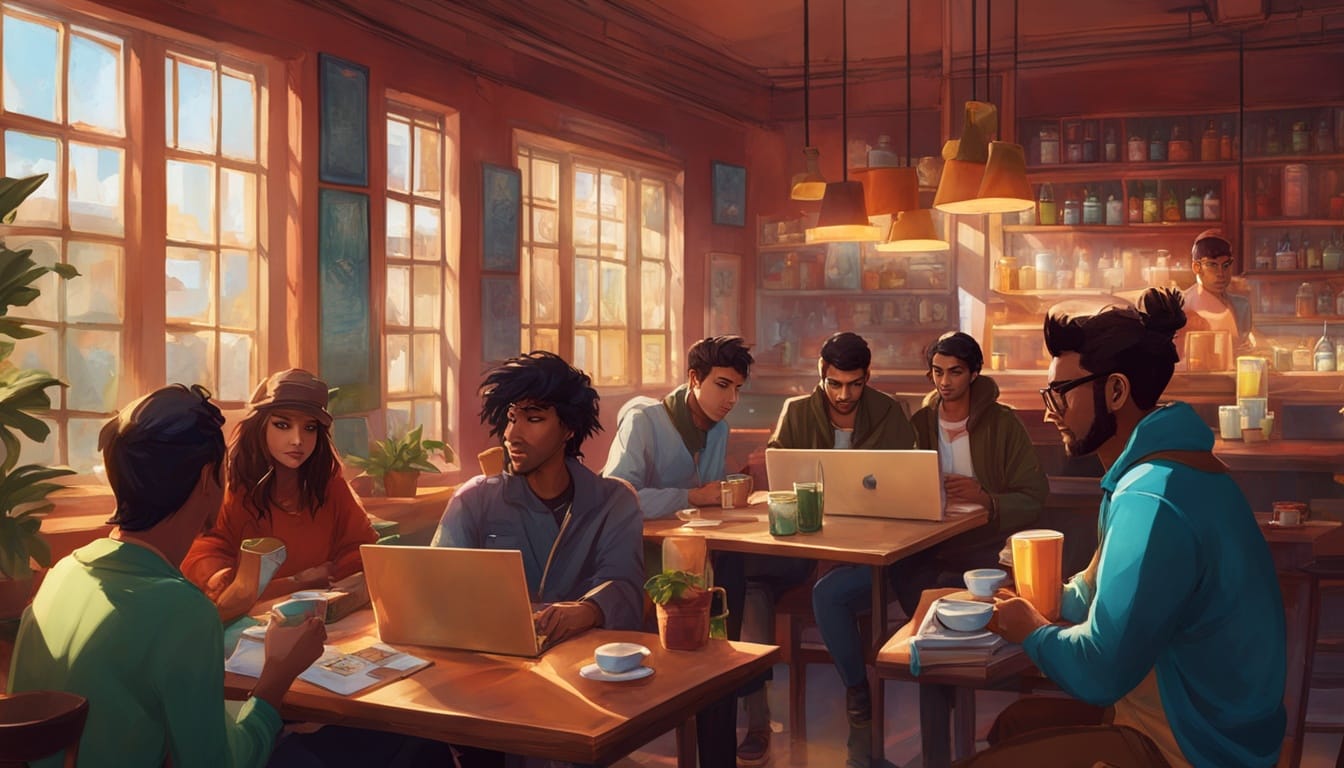
The indie game scene is a vibrant mix of perspectives and lived experiences. Independent developers come from many backgrounds—different countries, cultures, and career paths—and they bring those viewpoints into games. That diversity produces titles that feel personal, inclusive, and often unlike anything produced by larger studios.
Indie communities prioritize collaboration and idea-sharing. Developers exchange feedback on forums, in Discord groups, and at meetups, creating supportive spaces where unusual concepts can be refined into polished games. Because indies aren’t usually bound by market-driven mandates, they can explore topics and stories that mainstream game publishers sometimes overlook.
Inclusivity and Representation
Many indie developers intentionally center underrepresented voices in their games. That can mean diverse characters, authentic cultural narratives, or gameplay that reflects lived experiences. Representation in indie games often goes deeper than tokenism: developers frequently consult communities, hire culturally knowledgeable collaborators, and prioritize respectful portrayals that build empathy.
Unique Perspectives and Stories
Indie titles are known for telling intimate, experimental stories—from small personal narratives to bold explorations of complex themes. These unique narratives broaden what the medium can express, helping players see the potential of games as art and as a way to process real-world issues.
| AspectImpact | |
| Diverse Developers | Brings a wide range of experiences, cultures, and backgrounds to indie game creation |
| Inclusive Communities | Fosters collaboration, support, and the sharing of unique perspectives among indie developers |
| Representation in Games | Features diverse characters and authentic portrayals that challenge stereotypes and promote empathy |
| Unique Narratives | Explores thought-provoking themes, personal struggles, and emotionally-driven experiences |
By amplifying varied voices, indie development is reshaping the industry’s storytelling expectations and widening the range of games available to players.
Innovative Gameplay and Unconventional Ideas
Indie game developers frequently push the boundaries of game design by experimenting with mechanics, structure, and genre. Freed from strict publisher mandates, many indies test bold ideas that change how we think about play, narrative, and player choice.
Pushing the Boundaries of Game Design
When developers are free to prioritize design over scale, they invent novel interactions and emotional systems that add depth to play. These innovations often influence larger studios and the industry as a whole, demonstrating how small teams can reshape game design conversations.
Accessible engines like Unity and Unreal Engine have played a big role in this shift, empowering small teams and solo developers to build technically ambitious projects without massive budgets. Those tools let indies focus on creative systems and art while leaning on robust technical frameworks.
Experimental Mechanics and Genres
Indie games are known for genre-blending and inventive mechanics. Here are standout examples and why they mattered:
| GameExperimental MechanicsGenre Blending | ||
| Braid | Time manipulation puzzles | Platformer, Puzzle |
| Undertale | Player choice impacts storyline and combat | RPG, Bullet Hell |
| Disco Elysium | Dialogue-driven skill checks and role-based narrative | RPG, Detective, Visual Novel |
| Outer Wilds | Non-linear exploration inside a time loop | Adventure, Mystery, Space Exploration |
These titles demonstrate how indie developers mix mechanics and narrative to create experiences that are both innovative and memorable—pushing game design forward in the process.
“Indie games are a testament to the boundless creativity and passion of independent developers. They fearlessly explore new frontiers in game design, challenging players’ expectations and delivering truly unique experiences.”
If you want hands-on resources, check our guides for Unity and Unreal tutorials and curated case studies on experimental mechanics to see how small teams turn ideas into playable games.
The Creative Indies Game Developer Community

The indie game developer community is a powerful engine for creativity, knowledge-sharing, and mutual support. Individual developers and small studios come together online and in person to swap technical tips, provide feedback on prototypes, and help each other navigate publishing, marketing, and funding—building an ecosystem that accelerates game development and elevates promising projects.
Collaboration and Support
Indie developers often operate with limited resources, so community support matters. Forums like TIGSource, subreddits such as r/gamedev, Discord groups, and development blogs are common places to get feedback on game design, game art, audio, and code. Local meetups and co-working groups also help teams expand their networks and find collaborators or contractors for short-term needs.
Practical ways developers leverage community support include sharing devlogs, posting prototypes for playtests, and exchanging asset or tool recommendations. These practices help creators iterate faster and produce higher-quality games on modest budgets.
Game Jams and Events
Game jams and festivals are central to indie culture. Events like the Independent Games Festival (IGF) and IndieCade spotlight inventive titles and connect teams with press, publishers, and platform representatives. Fast-paced jams—Global Game Jam and Ludum Dare—encourage rapid prototyping, experimentation, and teamwork, and often lead to ideas that evolve into full indie releases.
| EventDescriptionImpact on Indie Developers | ||
| Independent Games Festival (IGF) | Annual event showcasing notable indie games | Provides exposure, awards, and industry recognition |
| IndieCade | Festival celebrating independent game creators | Offers networking opportunities and curator feedback |
| Global Game Jam | Worldwide 48-hour jam for rapid prototyping | Encourages collaboration, experimentation, and skill growth |
Online Forums and Resources
Beyond forums, indie developers rely on resources like Unity Asset Store, open-source tools, tutorials, and template projects to speed development. Curated guides, funding directories, and pitching templates are invaluable when approaching publishers or applying to grants. Sharing knowledge—about everything from optimization to store listing best practices—helps smaller teams compete with larger studios.
Challenges Faced by Indie Game Developers
The journey of an indie game developer includes meaningful rewards but also real obstacles: scarce budgets, discoverability problems, and the tension between creative goals and commercial viability. Success requires resilience, smart prioritization, and a plan for funding and promotion.
Limited Resources and Budgets
Many indie studios and solo developers work with tight budgets and limited time. While community anecdotes suggest a high percentage struggle to earn a living from game sales alone, that figure varies widely—so we recommend citing formal surveys (IGDA reports or industry studies) when claiming specific percentages. In practice, developers often combine savings, part-time work, crowdfunding, and publisher deals to fund development.
Marketing and Visibility
Marketing indie games is one of the toughest hurdles. With thousands of new games released yearly, standing out requires targeted strategies: building a mailing list, maintaining a devlog, creating a press kit, engaging streamers and content creators, and optimizing store listings. App stores and digital storefronts can favor established hits, so early community-building and niche targeting are crucial for gaining attention.
Balancing Creativity and Commercial Success
Indie developers must balance artistic vision with sustainable monetization. Some focus on one-time purchases and premium pricing, others use subscriptions or in-game purchases. The right choice depends on the game’s genre, audience, and long-term support plan—test pricing strategies on launch platforms and gather player feedback to refine your approach.
“Indie game development is a labor of love, but it’s also a business. Finding that sweet spot between artistic vision and financial viability is a constant balancing act.” – Sarah, indie game developer
Common structural challenges include long development cycles for small teams, limited diversity of perspectives in some developer circles, and barriers for underrepresented creators. To mitigate these issues, developers can seek mentorship programs, diversity-focused funds, publisher partnerships that respect creative control, and collaborative publishing support from indie-friendly publishers like Devolver Digital.
| ChallengeImpact on Indie Game Developers | |
| Limited Resources and Budgets | Requires prioritization, creative problem-solving, and mixed funding sources |
| Marketing and Visibility | Difficulty gaining attention without targeted outreach and community-building |
| Balancing Creativity and Commercial Success | Ongoing tension between artistic goals and revenue needs |
Despite these hurdles, the indie developer community’s collaboration, feedback loops, and shared resources help many teams ship meaningful games. Practical next steps for indie teams include joining a game jam, creating a simple press kit, and compiling a short list of publishers or grant programs to approach—small actions that improve visibility and funding prospects over time.
Celebrating Indie Game Success Stories
Indie games have delivered some of the most influential and beloved titles in modern gaming. These successes show how focused creative teams and solo developers can reach wide audiences, earn critical acclaim, and change the industry’s expectations for design, art, and storytelling.
Breakout Hits and Critical Acclaim
Over the last decade, several indie titles have become cultural touchstones. Games like Undertale and Celeste earned praise for narrative and design, while visually striking titles such as Cuphead combined hand-crafted art with demanding gameplay to attract both players and critics. Other titles went on to become mainstream phenomena, proving that small teams can produce top indie hits with lasting impact.
Some notable success stories illustrate different paths to recognition and revenue—critical acclaim, strong community growth, platform support, and strategic publishing partnerships have all played roles.
| GameDeveloperRelease YearNotable Achievements | |||
| Hades | Supergiant Games | 2020 | Sold over 1 million copies and won multiple awards (Game of the Year nominations) |
| Ori and the Blind Forest | Moon Studios | 2015 | Strong sales and critical praise; profitable launch supported by platform deals |
| Among Us | Innersloth | 2018 | Massively increased popularity in 2020, becoming a cultural phenomenon |
| Unpacking | Witch Beam | 2021 | Rapid early sales and critical recognition for narrative design |
Different Paths to Success
Indie games reach success in many ways: organic virality (Among Us), strong press and awards (Hades), platform curation and publisher support (Ori), or tight design and word-of-mouth (Unpacking). Some teams crowdfund early development, others use early access to iterate with players, and some partner with indie-friendly publishers to scale marketing and distribution.
Publishers like Devolver Digital and other indie-focused companies often provide marketing reach, QA support, and distribution deals while preserving a developer’s creative control—making publisher partnerships a viable route for teams seeking wider exposure without sacrificing vision.
Lessons Learned from Indie Breakouts
- Polish and identity matter: a clear visual and design identity helps a game stand out among thousands of releases.
- Community engagement is essential: consistent devlogs, demos, and playtests build early attention and feedback.
- Choose monetization to match the audience: premium pricing, early access, or in-game purchases all have trade-offs—test and listen to players.
- Consider publisher or platform partnerships carefully: the right partner can multiply reach and free the team to focus on development.
These stories inspire new indie developers and show that with strong design, targeted promotion, and community support, small teams and solo developers can create impactful video games that compete with larger studios in both reach and influence.
See our guide on pitching to publishers or submit your indie game success story to be featured.
Conclusion
The world of creative indies game developers is constantly evolving. Driven by passion, experimentation, and strong creative vision, indie teams and solo developers keep expanding what games can be—introducing fresh design, distinctive art, and stories that resonate with players around the world.
Indie developers play a vital role in shaping the game industry. Their work—often produced by small studios or solo creators—pushes innovation in game design and development, and many indie games influence mainstream studios and publishing strategies. Platforms like Kickstarter, Steam storefront features, and publisher partnerships have created practical paths for funding and distribution, so more indie projects can reach a global audience.
Being an indie developer comes with trade-offs: limited time, scarce resources, and the constant challenge of getting attention in a crowded market. Yet many developers choose this path because it allows creative control and the chance to build something personally meaningful. Supportive publishers, thoughtful monetization, and smart marketing can improve a project’s odds, but ultimately success rests on strong design, community engagement, and persistence.
FAQ
What are the key characteristics of indie game developers?
How have digital distribution platforms impacted the indie game industry?
What challenges do indie game developers face?
How do indie games differ from mainstream titles in terms of gameplay and ideas?
What role does the indie game developer community play in the industry?
How can aspiring indie game developers get started?
What are some notable indie success stories?
If you’re an aspiring indie developer, download our free indie dev checklist, join a game jam, and start building a small playable demo to gather feedback and attention. Small, consistent steps lead to long-term success in indie game development.