Skip to content


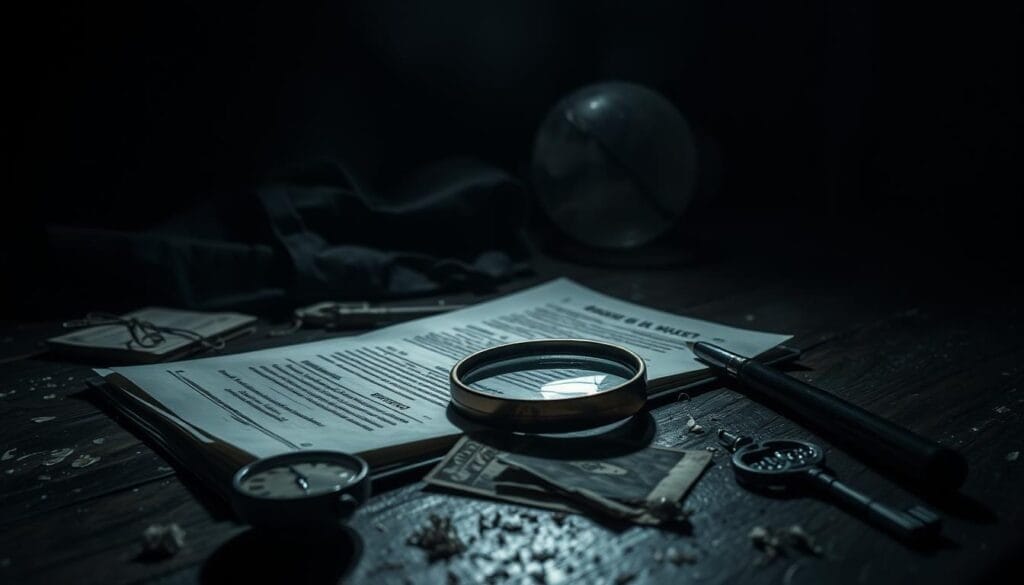
Dive into the world of “Enigmatis: The Mists of Ravenwood”, a richly detailed hidden‑object adventure that blends mystery and exploration. This comprehensive unsolved walkthrough guide by SeverineSnape walks you step‑by‑step through every major scene and puzzle, helping you find each item, code, and solution needed to progress.
Originally released on November 24, 2022, this walkthrough covers the game from the initial camper scene into the foggy heart of Ravenwood. Platforms vary (PC, mobile, and major game portals) — check the game page for availability — and this guide focuses on the gameplay mechanics and puzzle solutions rather than monetization. Use the quick unsolved game guide menu below to jump to chapters, puzzles, or printable checklists (document) for offline reference.
Need unsolved mystery help? This page provides annotated screenshots, inventory combinations, and clear instructions so you can solve each challenge. Track your collected evidence and tokens, learn where to use rope or metal items, and when to try the knife or push a button to reveal new pathways.
Every code cracked, every box opened, and every puzzle completed moves you closer to the truth hidden in the mists—so walk forward with confidence and follow the way laid out in this guide.
Key Takeaways
- Enigmatis: The Mists of Ravenwood Walkthrough.
- Follow this structured game walkthrough to simplify each chapter and locate crucial items like maps, tokens, and relief pieces.
- Use the walkthrough menu to jump straight to Chapter 1 or specific HOPs; practice steps such as take rope, take wooden pieces, or open box when prompted.
- Keep an evidence list and an open book of notes—record dates, numbers, and clues so patterns and solutions become clear.
- If you get stuck, use the “need help” anchors to find quick hints for common hurdles: push button sequences, water puzzles, and using metal or the knife on objects.
- Download the printable checklist (document) or save this page for offline reference while you play hop scenes and move through the investigation.
Embark on the Enigmatis Experience: Essentials for Success
— a useful visual intro before you dive in.
Exploring The Mists of Ravenwood combines sharp observation with logical thinking. This guide provides step‑by‑step puzzle solutions and practical case tips so you’re ready to investigate Ravenwood Park with confidence.
Getting Started with The Mists of Ravenwood
Before you enter the misty forest, follow this quick “Start Here” checklist:
- Open your map and mark the initial areas (use map) so you won’t get lost.
- Collect obvious items first — look for the FLARE and CAMPER KEYS in the camper scene.
- Check every hop (hidden object puzzle) — make it a habit to scan left-to-right, top-to-bottom when you play hop scenes.
- Keep an open book of notes (open book) listing evidence and suspected uses for each item.
- If you get stuck, use the walkthrough menu to jump to Chapter 1 or the specific scene where you need help (need help).
Understanding the Gameplay Mechanics
Efficiency matters: interact with colored objects, combine inventory items in sensible sequences, and save often. When stuck, use investigation hints to point you toward the next step — these hints are meant to nudge you, not replace careful searching. Walk forward through each area after you collect key evidence to unlock new interactions.
Navigating the Evidence Board
The Evidence Board is your central planning tool: pin photos, documents, and tokens you find, then draw lines or add notes to show likely connections. Regularly review it to spot patterns and reveal the correct solution pathways for complex puzzles.
With these essentials — a methodical start checklist, an organized evidence list, and a habit of checking hop scenes — Ravenwood’s mysteries become manageable and rewarding. Use the waypoints and anchors in this guide to move quickly between sections as you play.
Unraveling Chapter 1: Critical First Steps
Chapter 1 sets the stage for your investigation. Begin by searching the camper area carefully — priority pickups include the FLARE and CAMPER KEYS, plus a simple map you should take and note in your open book. These early items unlock key interactions and let you proceed into the park.
Use the FISHING ROD creatively in the camper scene (for example, to retrieve an item from a hard-to-reach spot). Collect obvious pieces of evidence — photos and a driver’s license — and pin them to your Evidence Board so you can cross-reference them later. Small narrative items (a TEDDY BEAR, a token) often hide important uses or clues.
- Approach the camper and scan all hotspots. Walk left across the front, then walk right to inspect the rear compartment.
- Take the MAP and FLARE when visible; open your inventory and test combining the rope with larger objects if needed.
- If you encounter a blocked hatch or board, remove board and check beneath it for items such as metal parts or a knife you can take for later use.
- Open box containers and examine tokens or bull head emblems — they often indicate puzzle patterns you’ll reuse.
- Meeting Mr. Whitmarsh introduces key dialogue that points toward the park entrance and the next objective.
- The TEDDY BEAR is not just atmosphere — examine it closely and try using nearby inventory items on it to trigger a hidden interaction.
- Document every clue in your notes: item name, location, and suspected use — this turns scattered evidence into meaningful solutions.
Pay attention to small details in each scene; the evidence you gather here becomes the backbone of later deductions in the park.
The first chapter is intentionally compact: solve the camper HOPs, gather all evidence, and prepare for the park’s more complex puzzles. If you get stuck at any step, jump to the Pro Tips section (anchor) for targeted hints — for example, how to use the knife on rusty metal or when to attach rope to a plotted anchor point.
With these steps completed, you’ll have the items and the understanding needed to progress confidently into Chapter 2.
Advancing Through Chapter 2: Deepening the Mystery

Chapter 2 raises the stakes: you’ll collect heavier evidence, face multi-step puzzles, and need sharper logic to connect clues. This section gives concrete solutions and procedures so you can move past locked areas, open doors, and piece together the story behind Ravenwood’s darker discoveries.
Collecting Crucial Evidence and Clues
Systematically gather every item and treat each as a potential key. In this chapter you may encounter unsettling finds—barreled remains, a mysterious pendant, and several tokens that act as puzzle triggers. Add every document and photo to your Evidence Board immediately so patterns become visible.
Quick reference: Item → Use → Location
- Pendant → slot in memorial plaque → Logging Camp memorial (unlocks hidden compartment)
- Token → place on door mechanism → Old Ticket Booth (activates a sequence)
- Barreled clue (photo) → cross-check dates on Evidence Board → reveals a timeline for the Cryptic Killer
Keep a running list of evidence and suspected connections; this accelerates later deductions and reduces repeated backtracking.
Mastering Puzzle Solutions and Hidden Objects
Chapter 2 introduces puzzles like a trapdoor mini-game and multi-stage HOPs that require item combinations. Here are step-by-step methods for two representative puzzles:
- Trapdoor mini‑game (basic sequence): Examine the surrounding symbols, note their order on your open book, then rotate the panels to match the sequence shown in the nearby plaque. Pull the lever only after all panels match—this prevents a reset.
- Lock parts + Twine bench puzzle: Combine LOCK PARTS + TWINE in inventory, then attach the assembled mechanism to the wooden post near the mill. Use metal tools (if required) to secure bolts, then pull the attached rope to open the hidden panel.
Other useful micro-steps:
- Zoom scene interactions carefully—some hotspots reveal tiny tokens or relief pieces you must collect before the puzzle will resolve.
- Open box containers fully and inspect undersides for hidden screws or magnets; use a metal object or use magnet when the walkthrough indicates to retrieve embedded items.
- If a sequence requires timing, identify the safe window (visual cue) and push button or pull lever accordingly.
Interacting with Key Characters
Dialogues grow more informative in Chapter 2. Talk to prisoners, the ticket seller, and witnesses more than once—dialogue choices can yield additional evidence or open optional interactions. Note important lines in your evidence list so you can cross-reference dates, names, and locations later.
- Use conversation choices to probe inconsistencies; some options unlock new lines that hint at hidden doors or object locations.
- Save before major dialogue branches if you want to test alternate outcomes without losing progress.
This chapter is designed to push you to synthesize clues rather than collect them in isolation. Follow the item→use→location approach, consult the game walkthrough links for visual aids, and use the Evidence Board to map out likely solutions. If you hit a dead end, jump to the Pro Tips section for targeted hints on opening doors, pulling levers, or using the magnet to extract stubborn items.
Unsolved Walkthrough: Pro Tips for Investigation Puzzles

Jump into the most useful pro tips for investigation puzzles — quick wins to get you unstuck and advanced techniques for players who want flawless runs. These methods help you spot hidden objects, solve multi-step puzzles, and make the most of every hop.
Quick Wins
- Master the Preparation: Before starting a chapter, open the walkthrough menu and scan the objectives so you know the immediate goals. Save a short checklist (document) with the most likely items to find.
- Sharpen Your Observational Skills: When you play hop scenes, scan left-to-right and top-to-bottom — that proven method reduces misses. Use zoom scene when available to inspect tiny hotspots.
- Methodical Note-Taking: Keep an open book of notes: item name, where you found it, and one-line idea for its use (example: “metal hinge — check gate; knife — pry box”).
- Use Tools Early: Try the obvious tool—rope, knife, or metal objects—on suspicious spots; many puzzles open after a single correct interaction.
Advanced Techniques
- Play Hop Strategically: Some HOPs are gated—collect a token or relief piece first, then return. If a HOP resets, walk left and re-enter the scene to refresh hotspots.
- Combine Items Carefully: Don’t randomly fuse objects. Test combinations logically (e.g., attach chain to handle, then pull lever). If a box has screws, use a metal tool or the knife in a specific order to avoid breaking components.
- Timing and Buttons: For timed puzzles, watch environmental cues and push button only during the safe window. Practice the sequence once before committing to the timed action.
- Use the Evidence Board: Cross-referencing items and dialogue lines reveals patterns—dates or repeated words often point to codes or portal locations.
Practical Examples
- Example note format: [Item] — [Location] — [Suspected Use]. E.g., “HEAVY ROCK — logging camp — use to break sundial box.”
- If you find a sealed box, zoom scene to check for magnets; if a small metal piece is visible, use use magnet or a metal object to retrieve it before attempting to open box.
- When a rope interaction is required, take rope and try attaching it to obvious anchors; if nothing happens, try combining rope with a hook or handle first.
Save this checklist to your device (document) before long sessions and use the walkthrough menu to jump between sections. These general tips will reduce frustration and speed up your progress—treat each hop as a short puzzle and build momentum from small wins to complete solutions.
Chapter 3 Challenges: Strategy for Ravenwood Valley
Chapter 3 ramps up complexity with mazes, ciphered runes, and multi-stage mini-games. This section gives concise solutions and tactical steps so you can navigate runic puzzles, access the Logging Camp, and use core items—like the HEAVY ROCK and FISHING REEL—to advance.
Solving Complex Runic Codes and Mazes
Runic puzzles are pattern‑matching challenges: observe symbol groups, record their order, then reproduce that order on the puzzle interface. A quick solutions cheat‑sheet:
- Step 1 — Identify distinct runes and mark them in your open book.
- Step 2 — Look for environmental hints (carvings, plaques) that show the correct trace order.
- Step 3 — Trace symbols in the noted sequence; if panels rotate, match orientation, not just shape.
- Step 4 — Pull lever only after all symbols align to avoid a reset.
Practical tip: use Charcoal or a similar revealing item to highlight faint symbols before tracing. If a rune puzzle requires a metal contact, try a metal tool or take steel piece to complete the circuit.
Unlocking the Secrets of the Logging Camp
The Logging Camp contains several object puzzles and environmental locks. Follow these concise steps when you encounter blocked paths or locked mechanisms:
- If a gate is chained, attach chain to the anchor, then pull lever or use the HEAVY ROCK to lever a stuck post.
- Open box containers and inspect for a bull head emblem or hidden screws—use the knife to pry where appropriate, then use metal tools to remove fasteners.
- Collect wooden pieces (take wooden planks) to craft simple bridges or supports; combine rope with a hook to lower or raise platforms.
Example interaction: find a sealed chest → zoom scene to reveal hidden screws → take knife → use metal tool to remove screws → open box and take token. Many puzzles require this sequence of open box → inspect → use appropriate tool.
Mini‑game and Portal/Hydraulics Notes
Some mini-games link to water or hydraulic mechanisms. If a puzzle involves water flow, check pipes and valves for leak points and use metal parts to repair or redirect flow. For portal‑style sequences (teleport or gate puzzles), align all nearby relief pieces or tokens before activating the portal.
Summary: Chapter 3 tests your ability to combine observation with methodical item use. Record each solution step in your evidence list, keep metal and rope handy (take knife and take steel when needed), and follow the stepwise approaches above to move through the Logging Camp and decode Ravenwood Valley’s runes.
Mastering Multiplayer Coordination in ‘Unsolved Case’

Whether you’re playing a true multiplayer session or teaming up locally by sharing clues and inventories, coordination turns two good detectives into a great team. This section gives concise unsolved case tips and unsolved investigation hints that improve communication, role selection, and in‑game tasking so you solve puzzles faster together.
Talking clearly and using a simple protocol prevents duplicate effort and keeps momentum. Share what you find (tokens, handles, or tool items) and confirm actions before you pull levers or open safes.
Establishing Effective Detective Partnerships
Assign roles early: one player manages inventory and evidence (the Recorder), the other acts in the scene (the Actor). Swap roles periodically so both players maintain situational awareness. Use these quick rules:
- Recorder: keep the open book of notes, mark evidence, and suggest item combinations.
- Actor: tests ideas in the scene (attach chain, try the rope, operate the lever) and reports immediate results.
- If you find a safe or locked chest, call it out (e.g., “Safe found — I have the handle and token”) before attempting to open it.
Communication is Key: Strategies for Success
Follow a short, repeatable script to avoid confusion. Example exchange:
- Player A: “I have rope and hook — ready to attach.”
- Player B: “Attach chain to the post, then pull lever on my mark.”
- Player A: “Attached. Pulling in 3…2…1.”
This method works for timed actions (push button or pull lever) and for sequences where synchronized actions prevent resets or damage to items. If the game supports pings or quick markers, use them to highlight the exact HOP or hotspot you mean when you play hop scenes.
The Conv_A2E study linked below gives academic context on improving team coordination; apply its basic lessons—clear roles, short phrases, and repetition—to in‑game teamwork to reduce errors.
Finally, practical tips for inventory sharing: when one player needs to take rope or a tool, say “Take rope” and confirm when it’s in use. If a handle or token is required for a mechanism, announce the exact item name before interacting. These small habits keep both players aligned and make cooperative puzzles much easier to complete.
Deciphering Puzzles: A Detective’s Guide to Problem-Solving
Solving complex puzzles is more than chance—it’s method. A clear unsolved problem strategy turns scattered clues into a coherent narrative that leads to solutions. This section gives tactical approaches you can apply across chapters to turn evidence into answers.
Note: verify in-game metadata if needed—dates and ratings vary by platform. The tactical advice below is platform-agnostic and focused on analysis and pattern recognition rather than any single release score.
Tactics that Work
- Align Dates with Events: When you find dates on documents or photos, record them in your open book (document) and check the Evidence Board for matching events. Example: if you see 4/7/2002, try lock code 472 or look for an event dated April 7 that unlocks a door.
- Utilize Number Clues: Numbers often act as direct codes. Treat them as both keypad entries and chronological hints. When you spot a sequence like “8-3-1,” test obvious locks, calendar references, or page numbers in found books.
- Recognize Patterns and Reliefs: Repeated symbols, relief pieces, or bull‑head motifs usually indicate a cipher or a matching slot. Collect relief pieces and compare them visually—matching shapes or orientations often reveal the portal or chest that accepts them.
Practical Examples
- Evidence → Action: find a torn photo with a highlighted door in the background → cross‑reference location on the map → examine that door for an embedded token or handle.
- Number decoding: a scribbled sequence beside a calendar can mean either a code for a safe or an index into a ledger—try both interpretations before discarding the clue.
- Item workflow: if you need to open box containing metal parts, first zoom scene to inspect screws, take knife if required, then use metal tool to remove fasteners and open box for the part.
Chain of Thought: Building Solutions
Always form a short hypothesis: “This piece + that date → likely use on X door.” Test it cheaply—try the lock or the slot—and record outcomes. If it fails, note why and move to the next hypothesis. Over time, these small experiments reveal the correct way to combine evidence into a final solution.
Wider practice helps: playing varied detective titles (and reviewing related game walkthrough 2020 resources) trains your instinct for pattern recognition and improves your speed at assembling pieces of the puzzle. Keep your Evidence Board current, document each piece and its suspected use, and let the patterns emerge—this is the most reliable way to solve Ravenwood’s tougher puzzles.
Eleven Puzzles Saga: From Old Cases to New Beginnings
The Eleven Puzzles saga collects a string of detective adventures that reward players who follow story threads across titles. This walkthrough highlights how earlier games feed clues, motifs, and puzzle mechanics into the latest installment—giving you an edge if you explore the series in order.
The unsolved quest tutorial outlines the recommended play order and evolution of recurring mechanics. Start with titles like Murder of a Millionaire and move through to Murder at the Movie Theater to see recurring evidence types, puzzle pieces, and motifs that return as more complex challenges.
The Cryptic Killer: Background and Legacy
The Cryptic Killer is the recurring antagonist across these games — a figure whose signature tokens and relief motifs appear in multiple scenes. Recognizing these recurring symbols (bull‑head motifs, token shapes, or portal reliefs) helps you spot which doors or boxes will accept a given piece and where to use a token or handle.
Exploration of Previous Installments in the Series
Going back through earlier chapters trains pattern recognition: you’ll notice how certain puzzle types reappear (matching relief pieces to slots, collecting wooden parts to craft simple tools, or fitting tokens into emblematic slots). When you play hop scenes in the newer games, this prior knowledge speeds up solutions and reduces backtracking.
Recommended approach: if you encounter a strange token or relief in the current game, check your mental catalog from prior titles—where was a similar piece used before? That connection is often the quickest path to opening a blocked door or activating a portal.
Conclusion
We’ve covered the core strategies that turn scattered clues into clear progress: organize your evidence, follow stepwise item uses, and treat each HOP as a small, solvable puzzle. These approaches sharpen your investigation skills in Unsolved Case and in similar hidden‑object adventures.
Practical tools in the game—like the drawing tool and the Evidence Board—make note‑taking and pattern matching easier. Use the drawing tool to sketch symbol orders or timelines, and keep a running document of items you need to test (take map, take wooden pieces, take rope, etc.). That simple habit saves time and reduces repeated backtracking.
Achievement hunters should aim for clean runs: avoid incorrect guesses, solve mini‑games efficiently, and collect all pieces and tokens to unlock optional content. Completing objectives precisely (open door sequences, push button timing, or use magnet on hidden metal pieces) often rewards extra achievements and story segments.
Take these lessons beyond the game: careful observation, hypothesis testing, and methodical record‑keeping are useful problem‑solving skills in real life. For players new to puzzle games, start slow, use the walkthrough menu to jump to problem areas, and download the printable checklist (document) for offline reference.
Need help? Use the page anchors to jump to Chapter 1, Chapter 2, or the Pro Tips section for quick solutions. If a scene requires a specific item—like a knife to pry a panel or a handle to operate a mechanism—check your inventory, consult this guide, and try the logical combinations before guessing.
From unlocking a sealed box to aligning relief pieces on a portal, every solved puzzle is progress. Keep experimenting, update your Evidence Board as new facts appear, and enjoy the satisfaction of piecing Ravenwood’s mystery together.
FAQ
Where can I find a comprehensive unsolved walkthrough for “Enigmatis: The Mists of Ravenwood”?
What are some essential gameplay mechanics in “The Mists of Ravenwood” to understand?
How can I effectively use the Evidence Board in the game?
What are the initial critical steps in Chapter 1 of “The Mists of Ravenwood”?
How do I manage puzzles and hidden objects in Chapter 2?
Can I receive guidance for complex puzzles in Chapter 3, such as the runic codes and mazes?
What’s the best way to coordinate with another player in the ‘Unsolved Case’ multiplayer mode?
How do I solve challenging puzzles presented by the Cryptic Killer in ‘Unsolved Case’?
Where can I learn about the backstory and legacy of the Cryptic Killer?
Are there tips for selecting the appropriate difficulty level and achieving all game accomplishments?